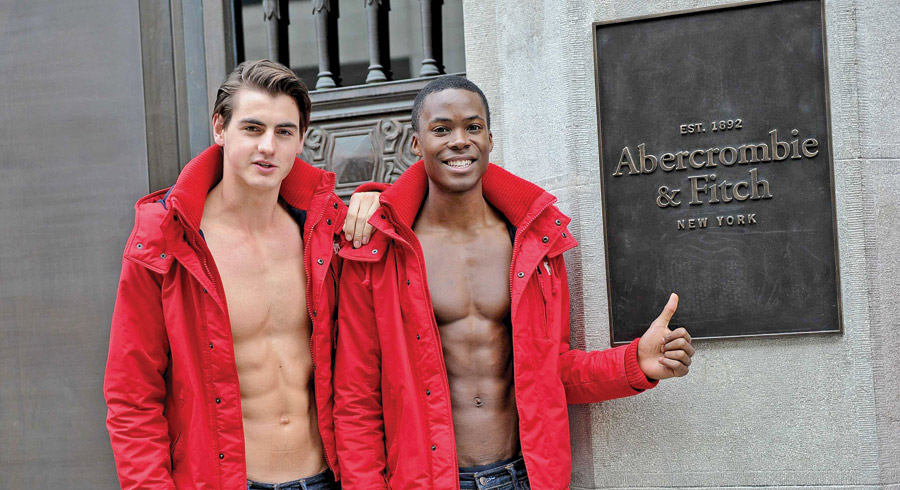
 Although Abercrombie & Fitch (ANF) posted a first-quarter comparable sales decline of 4 per cent, much better than peers American Eagle Outfitters (AEO) and Aeropostale whose comparable sales fell 10 per cent and 13 per cent respectively, US teen retail continues to struggle through an awkward phase of turnaround. Luring young shoppers into traditional teenage clothing stores has become tough call for many of them, as the competition for teenage dollars at the time of high unemployment within the age group shifts from fashion stores towards more tempting technology.
Things are not looking too bright for teen retailers and according to a recent survey by Thomson Reuters, sales at teenage apparel retailers like Abercrombie and American Eagle are expected to be 6.4 per cent lower in the fourth quarter of 2014 over the previous period, proving to be worse than any other retail category. Even though considered as mainstays in the teen industry ANF, Aeropostale and AEO, who have dominated teenage closets for years, have showcased grim reports over the last one year and even failing to pep-up during the last holiday season, proving disastrous for senior executives at the helm of their retailers operations. In a move that has caught analysts by surprise while also clearly indicating the turmoil, the Chief Executive of American Eagle, Robert L. Hanson abruptly left the company, followed by Abercrombie’s announcement of making several changes to the company’s board and leadership.
Often mentioned is the high teenage unemployment rate reaching 20.2 per cent among 16-19 years old, far above the national rate of 6.7 per cent.
The retailers, together known as the ‘3 A’s,’ have long been popular for their cool basics like jeans, hoodies and T-shirts, but now teenagers are more eager to shop from low-cost fast-fashion chains like Zara, Forever 21 and H&M that offer greater variety. “The young shopper wants to be fashionable but they don’t want to spend a lot of money, and fast fashion works very well for them,” reasons Eric Beder, Analyst at Brean Capital. Cheap fashion has driven a more competitive market as so-called fast fashion companies sell trendy clothes at low prices, while some department stores and discount retailers like T.J. Maxx are now catering to teenagers as well.
Recent study of a group of teenagers released in the fall by Piper Jaffray, found that more than three-fourths of young men and women said they shopped online.
Further, online shopping which has been ruling the industry for years is playing an important role in changing the dynamics of how consumers spend their money. A recent study of a group of teenagers released in the fall by Piper Jaffray found that more than three-fourths of young men and women said they shopped online. Not only are teenagers growing up on the Internet, but it is also shaping the fast moving fashion cycles. Things take off quickly and fade even faster, keenly watched by teenagers who are especially sensitive to the slightest shift in fashion trends. “The teen retailers seem to be not in style or in vogue at this point of time for their target consumers,” reveals Bryan Keane, Portfolio Manager of the Alpine Global Consumer Growth Fund. In order to win back teenagers, these three retailers are improvising on their existing strategies and incorporating new ones, hoping for a successful year.
Turnaround Strategies…
Abercrombie & Fitch
A&F has tried to lure back customers in recent years amid controversy surrounding the retailer’s leadership, disappointing sales and inventory challenges. In an effort to lure shoppers back into stores, Abercrombie has been revamping mall-based locations and is preparing to give Hollister stores a makeover, including a lower pricing structure to cater to younger customers and their budgets. It is looking into more US based supply sources that will allow a faster turnover of goods to keep up with the changing trends. It is also considering adding more third-party brands to the retailer’s product assortment as well as selling merchandise through third-party channels. “The company has carried Keds merchandise since fall 2013 and the partnership has been ‘very successful,” says Mike Jeffries, CEO.
American Eagle Outfitters
After disappointing holiday results, CEO Robert Hanson’s departure came as a surprise as he had formulated some valuable strategies for the retailer’s turnaround, including reinvigorating the brand perception by adding a greater variety of trends and season relevant products. However with Hanson’s exit, Jay Schottenstein has picked up from where Robert Hanson left. The company has started laying a greater emphasis on its fashion products that are inline with changing customer taste. Keeping smaller inventories of broader assortments, hiring Chad Kessler as the chief merchandising and design officer, increasing speed-to-market, employing a flexible design system, etc. are some of the strategies that AEO has already undertaken. Nonetheless Hanson’s departure has proved to be a dent to AEO’s turnaround success. Richard Jaffe, a Research Analyst with Stifel Nicolaus believes, “Hanson was in the process of reinvigorating the brand’s fashion merchandise and now, with his exit, the merchandise turnaround may be stalled. It is possible that Hanson’s efforts may have proved fruitful in 2014.”
Aeropostale
With its affordable basic products, Aeropostale was amongst the strongest apparel performers during the recession of 2008 to 2009. However, as the economy started recovering, the retailer failed to take advantage of rising consumer interest in fashionable apparel due to its persistent focus on the logo business. In order to gain back its lost consumers, Aeropostale’s efforts to downsize its namesake store network and expand its PS from Aeropostale brand are likely to play a pivotal role in its revival. Also to reduce its expenses and generate better sales per square feet, the company is looking to close a number of its under-performing stores in the US. “With the company’s merchandise improving, Aeropostale also has a significant opportunity to expand its profit margin because of reduced discounts and promotions. Its new store format, featuring iPads, interactive fitting rooms and chalkboards, also could ‘revive’ the store base as the company plans more store remodelling,” informs John Morris, Senior Retail Analyst at BMO Capital Markets.
Looking forward to a hopeful future
Though American Eagle is struggling due to Hanson’s departure, but Aeropostale and ANF seem to be making positive changes, which could provide an impetus to their market share. Nonetheless AEO’s turnaround strategy such as buy online and ship-from-store pilot program has received a favourable response, as the company has been able to rescue sales, which it otherwise lost through stock-outs. With various strategies in place to lure the fickle-minded trend following teenagers, the teen retail industry is looking towards a successful turnaround.