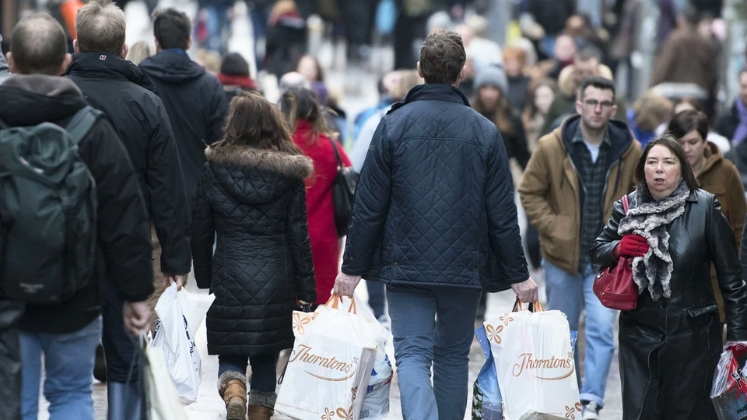
The fashion and retail industry in the United Kingdom had a significant deflationary trend in July, as per the most recent data from the British Retail Consortium (BRC). This provided a brief reprieve for customers amid wider economic strains.
Fashion and retail items are included in the category of non-food prices, which continued to be in deflation at a rate of -0.9 per cent, a minor improvement over June’s -1.0 per cent and the lowest since October 2021.
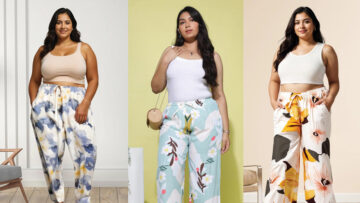
According to BRC CEO Helen Dickinson, ‘holidaymakers could pick up discount summer attire and summer reads as clothing and footwear prices declined for the seventh straight month’. This extended era of price cuts in the fashion retail industry is a reflection of both retailers’ attempts to encourage customer spending through competitive pricing methods and ongoing sluggish demand.
Industry insiders warn against assuming too much of this consumer-friendly trend, though. Given the uncertainties surrounding the effects of climate change on raw materials and the growing geopolitical tensions, fashion retailers may have to deal with supply chain disruptions and higher production costs in the near future.
In the latter half of 2024, the ability of fashion retailers to keep up competitive pricing while making adjustments for possible cost rises will be critical to maintaining consumer engagement and market growth. This circumstance highlights how local retail dynamics and global economic variables interact intricately to shape the fashion retail landscape in the UK.