Several globally-renowned fashion brands like H&M, Zara and Nike, despite embracing sustainable practices through implementation of different sustainable programmes, are failing miserably to put the same into actions.
Yes, the aforementioned brands are garnering attention again – this time for greenwashing.
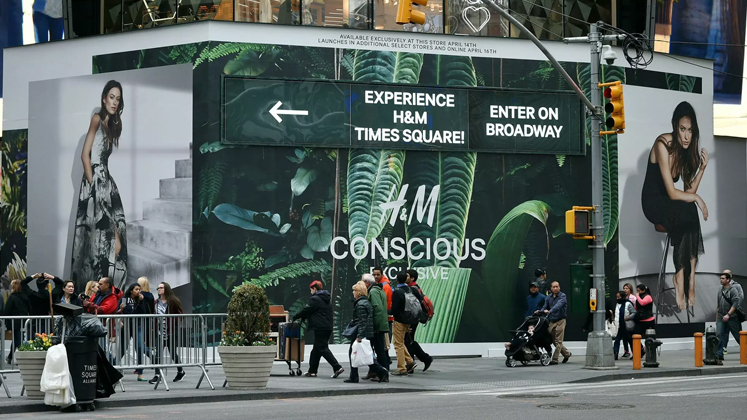
The second-largest fashion retailer in the world, H&M, reportedly, has a business model to trick consumers into buying more clothes than they truly need.
Then, by promoting recycling and encouraging consumers to do the same can in no way make up for the 3 billion garments the retailer produces on a yearly basis.
And it’s not just H&M! Spanish fast-fashion giant Zara is nowhere close to combating its current fast fashion business model and high carbon footprint in its supply chains, which the company has made no mention to slow down.
Zara is even criticised for not providing a detailed list of factories and refraining from publishing the results of their audits – sparking concerns about transparency.
This makes it difficult to evaluate the impact of sustainability goals, especially when the brand talks of switching to 100 per cent renewable energy to run its internal operations by 2030– not to mention its plans to reduce and offset all emissions by 2040.
Uniqlo and Nike too are no different! The former has multiple labour rights violations and complaints in addition to failing to present any certification for their textiles.
Similarly Nike’s Move to Zero campaign claims to be the framework for its journey towards zero carbon and zero waste.
Noel Kinder, Chief Sustainability Officer, Nike, himself admitted that some of the targets the company set itself – such as diverting 99 per cent of all footwear manufacturing waste from landfills and reducing water consumption in Nike’s entire supply chain by 20 per cent by 2020 – were not entirely realistic and might actually be more difficult to reach than initially thought.