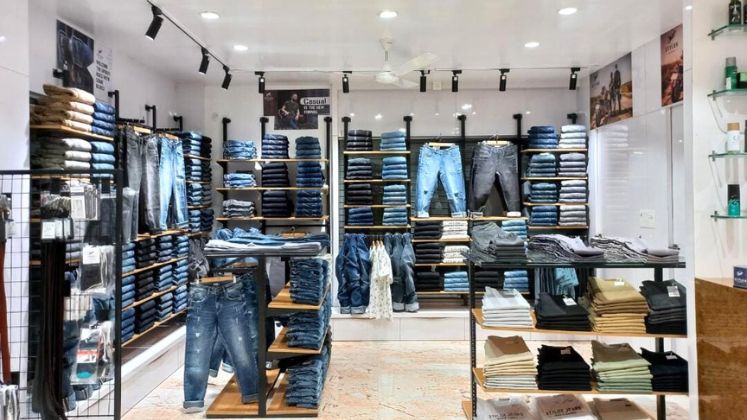
Stylox Fashion, a denim and casualwear brand, has announced plans to significantly scale its physical retail presence, aiming to open 100 new stores each year and reach a total of 500 outlets by FY ’30. The company currently operates 50 stores and is accelerating its expansion across India’s fast-growing Tier-2 and Tier-3 markets.
The announcement follows a period of rapid growth for the brand. In recent months, Stylox Fashion has opened new stores in Dundahera and Lakhimpur in November, followed by an outlet in Gorakhpur in December. The December rollout is set to continue with additional store launches in Kichha, Modinagar and Sangli, taking the total number of new outlets for the month to four. The company said the pace of expansion reflects rising demand for affordable, stylish menswear in emerging cities.
Stylox Fashion’s growth strategy is closely aligned with increasing consumer interest in smaller markets, where younger shoppers are seeking premium-quality fashion at accessible price points. The company said it aims to position itself as one of India’s most accessible value-fashion brands by deepening its presence beyond major metropolitan centres.
Commenting on the expansion plans, co-founders Ritika Mehra and Vishal Mehra said crossing the 50-store mark represented an important milestone, but added that it marked only the beginning of the brand’s long-term journey. They said the target of opening 100 stores annually was aligned with the company’s mission to make fashionable, high-quality clothing widely accessible to Indian consumers, and noted that strong traction from emerging cities reinforced their belief that the next phase of growth in Indian fashion would be driven outside large urban centres.
Looking ahead, Stylox Fashion said it is preparing for a high-growth phase in 2026, supported by its expanding product portfolio, value-led pricing strategy and a robust retail pipeline. The company said it will continue to focus on enhancing customer experience, driving product innovation and expanding its footprint across North and West India as part of its long-term growth strategy.






 Bharat Tex Special Report 2026