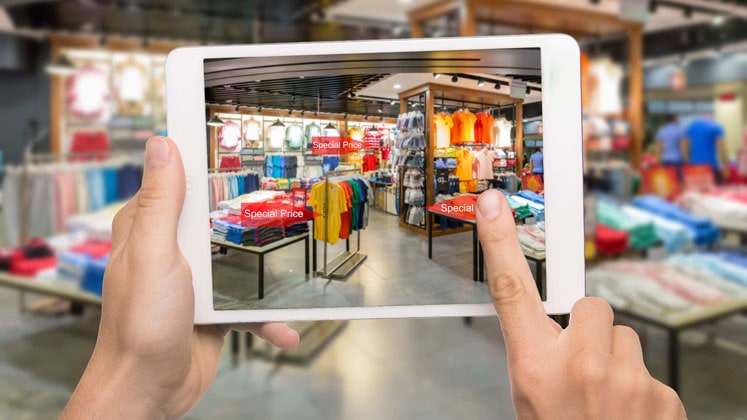
In its ‘Digital Consumer Behaviour’ analysis, which was created in collaboration with audience insights company GWI, Avery Dennison found that two-thirds of global fashion consumers demand greater transparency about the origin of clothing.
Over half of global consumers are interested in virtual reality experiences, according to a study that looked at the attitudes and behaviours of more than 6,300 clothing shoppers across seven countries.
According to the report, consumers are still quite open to frictionless touchpoints that would improve their in-store experience, such mobile checkouts and digital receipts.
Consumers all around the world continue to be interested in reading digital labels on clothing that contain QR codes, RFID, and NFC (Near Field Communication) technologies to learn more about products and engage with them both before and after a purchase.
For instance, 60 per cent of fashion consumers worldwide see value in using their smartphone to scan a QR code on a garment to learn about correct care. Additionally, 71 per cent of respondents from across the globe say it’s important to them for fashion brands to be open about how they manufacture their products.
It’s vital to observe the growing popularity of virtual experiences and NFTs, particularly among consumers who buy clothing. According to the research, over half (51 per cent) of respondents from over the globe expressed interest in compiling a digital inventory of their clothes. Customers looking to take advantage of secondary markets will particularly benefit from this.
Customers have also been able to combine the gaming and fashion worlds thanks to the metaverse and NFTs (non-fungible tokens). Due to this trend, over half (47 per cent) of all fashion consumers worldwide are interested in virtual experiences, and more than a third claimed they would be keen to buy digital clothing for their virtual gaming characters.
Six out of ten fashion consumers worldwide recognise the benefit of scanning a QR code to learn about correct garment maintenance, which in turn increases the lifespan of the clothes. Buyers who claim to employ digital triggers for conscious wash care recommendations and to seek confirmation of garment identification have significantly increased in China, Europe, and the US.
This is encouraging for the garment sector as it embraces more digital labelling and supply chain transparency in light of upcoming legislation in the US and Europe.