The LGBTQ+ community, more specifically in the context of apparel, has been at the forefront of news in these past few months. The recently concluded Pride Month – celebrating queerness openly – was a major catalyst for the apparel industry to embrace the community with ‘Pride Collections’ and also a catalyst for opposing forces to raise their voices against overt displays of merchandise from the community which directly affected retailers providing related apparel.
In terms of popularity, LGBTQ+ apparel has been gaining momentum for sometime now. The surge of gender-neutral clothing and clothing specifically geared towards the community has made it go mainstream. Several apparel companies and designers have brought out their own lines relating to the LGBTQ+ community and have represented them in their marketing as well. With the normalisation of queer people, merchandise catering to them has also come into the limelight.
This is a growing segment for brands and retailers as the size of LGBTQ+ community is growing and
apparel is a core product to show their growth and importance in the market. From Target to Adidas, all different kinds of retailers are eyeing this segment aggressively.
What constitutes a ‘Pride Collection’?
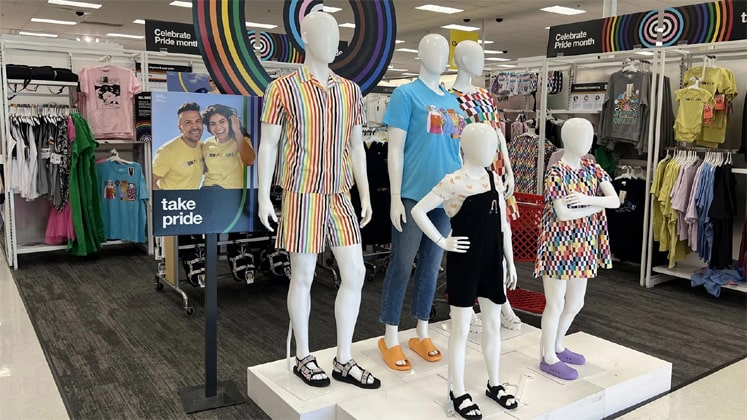
A Pride Collection may include various items such as clothing (T-shirts, tank tops, hoodies, etc.), accessories (hats, pins, wristbands), flags, banners, stickers and other products featuring rainbow-coloured designs or symbols associated with the LGBTQ+ community, such as the rainbow flag, pride flag or symbols like the pink triangle or transgender symbol.
Even though there is a specific month every year dedicated to celebrating the LGBTQ+ community, known as ‘Pride Month’, the sale of such ‘Pride Merchandise’, especially apparel, isn’t only limited to that month, since retailers keep them on sale for the entire year due to routine demand from consumers.
LGBTQ+ Market and its growing importance
Though data on this segment remains scarce as to the actual size and revenue earnings for this segment, it can be seen via reports that this is a growing segment which is poised to be among the largest for retailers and a massive opportunity.
US government census data from 2021 shows that the LGBTQ+ community is the fastest growing minority segment in the US, with close to US $ 1.4 trillion spending power. Estimates suggest global LGBTQ+ spending hovers at US $ 3.7 trillion annually.
A GAY TIMES analysis also showed (using a combination IPSOS and UN Population data) that it’s a group predicted to hit 1 billion globally by 2050. Importantly, roughly 21 per cent of all adult Gen Z Americans now identify as LGBTQ+, revealing to retailers a growing customer base.

A report published by GLAAD — the world’s largest LGBTQ+ media advocacy organisation — and the Edelman Trust Institute found that Americans are 2X more likely to buy or use a brand that publicly supports LGBTQ+ rights indicating an opportunity to retailers. YouGov, in a study, revealed a quarter of consumers saying that they’re more likely to shop from LGBTQ+-friendly brands and over 80 per cent are likely to try new products from brands that actively support LGBTQ+ communities.
| Estimates suggest LGBTQ+ spending power is close to US $ 1.4 trillion in the US while it globally hovers at US $ 3.7 trillion annually. |
Growing demand for apparel in the LGBTQ+ Market
The LGBTQ+ market is a growing one and Pride Month offers an opportunity to have a look at the purchasing power and interest customers have in this specific category. Although the community doesn’t represent a single, coherent customer base but rather a conglomeration of various people and preferences, it can be reasonably concluded that the community as a whole can be catered to as a unit.
According to data sourced from Jungle Scout Cobalt, an industry-leading market intelligence and product insights platform, for historical Pride Month revenue increases and primarily representing the US market, the merchandise associated with the LGBTQ+ community and Pride has gained a large following and increased revenues by a large margin.

Unit sales of Pride Month apparel jumped by 144 per cent and Amazon searches for keywords related to Pride clothing and accessories were up significantly. Shirts are some of the most searched for, and as a result, unit sales of graphic tees were up by over 900 per cent in the Pride Month periods.
Search volume for the phrase ‘Pride ally shirt’ jumped 693 per cent in the same period and revenue for proud ally shirts climbed 2,359 per cent showing a remarkable interest for LGBTQ+ allies – people who are themselves not in the community but support it nonetheless.
Unit sales of Adidas Pride pacer shorts were up by 450 per cent in one month. Also during the Pride Month period, revenue for the Disney Villains Ursula pride tee grew 877 per cent and revenue for the Mickey Mouse Pride tank was up by 1,344 per cent.
Revenue for UGG Pride slippers, part of a collection the brand released, jumped 765 per cent in the Pride Month period. In kidswear too, revenue for baby Pride rainbow bodysuits jumped by nearly 2,500 per cent.
These revenue jumps within this short period of time show the impact that an event like Pride Month can have on the market and the purchasing power of the LGBTQ+ community in the short term. In long-term, this translates into a loyal customer base which has an untapped potential to cause revenues of apparel retailers to jump.
How retailers are pushing LGBTQ+ Apparel
Within the past few years, it’s become more socially acceptable for brands to launch LGBTQ+ themed collaborations and merchandise. Several of the world’s biggest retailers, from niche product-focused brands to luxury brands, have been pushing this merchandise along with the yearly Pride Collections. This category has been recognised by brands as something customers want and is prevalent across apparel genres, from denim to athleisure to luxury.
The latest line of tees, denim and accessories from Levi’s are naturally designed to be worn by anyone, from sheer dresses to vintage-looking denim vests furthering the LGBTQ+ category. For sportswear, Adidas is offering an exclusive line of vibrant street styles and sporty apparel in collaboration with queer South African designer Rich Mnisi, while Under Armour has also released sportswear catering to the LGBTQ+ community.

Luxury brand Ralph Lauren has also dipped its toes into the category with its Pride Collection, with UGG joining in with limited-edition collection of all-gender footwear and apparel in Pride-inspired colours. For lingerie, Rihanna’s Savage x Fenty line’s Pride campaign teamed up with Fenty Beauty and Fenty Skin by introducing lingerie, bralettes and underwear to celebrate the community.
Even luxury department store chains like Nordstrom which has its ‘Be Proud by BP’ line has collaborated with queer-owned fashion brand Wildfang and has put the spotlight on LGBTQ+ owned and founded brands to further illustrate the reach of LGBTQ+ apparel.
| Several of the world’s biggest retailers, from niche product-focused brands to luxury brands, have been pushing this merchandise along with the yearly Pride Collections. |
Pushback and its results
Although this growing segment represents massive opportunities for retailers, this segment has some negative impacts also, especially since recently Pride Month and the celebration of the LGBTQ+ community publicly has been met with some backlash.
One such example has been that of Target which was forced to remove some of its Pride collections citing worker safety after backlash against said collection and false narratives of ‘tuck-friendly’ clothing aimed at children. The move, compounded by a broader change in the US economy, led to an approximate loss of US $ 4 billion for Target under three weeks after it began selling its Pride collection, according to reports.

Kohl’s had to offer large discounts for its Pride-themed merchandise 9 days into Pride month, Adidas and Nike too faced backlash after their trans-inclusive marketing campaigns. The North Face faced criticism for a drag queen themed campaign. Popular clothing brand JCrew was criticised for introducing T-shirts for both kids and adults with a Pride theme.
Despite these setbacks, apparel retailers have recognised the value of this community and the growing market that they can cater to. The opportunity cost that might come by ignoring this segment will grow much greater as the years roll by.