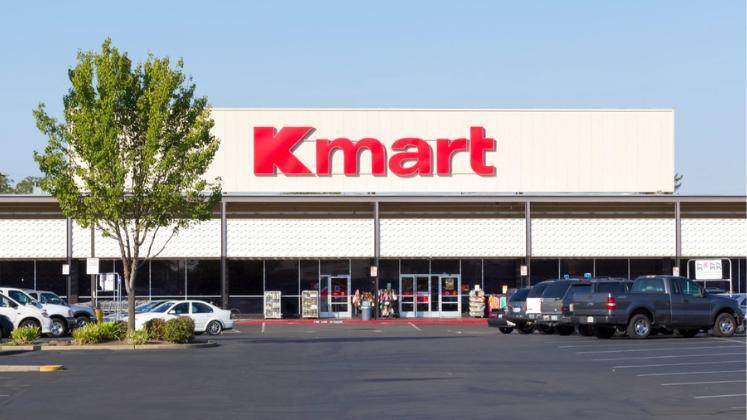
Australia’s Kmart Group, the overseeing entity of budget-friendly retail chains Kmart and Target, has reported a 4.8 per cent increase in revenue, reaching US $ 5.9 billion for the first half of the fiscal year 2024. The surge in revenue was primarily fueled by Kmart, which experienced a notable 7.8 per cent rise in sales, while Target counterbalanced this growth with a 5.1 per cent decrease compared to the same period in fiscal year 2023. Despite the decline, Target managed to achieve positive earnings for the half-year.
Target’s performance varied across different product categories, showing stronger results in apparel but facing challenges in trading conditions for toys, home, and general merchandise categories. To address this, many of these struggling categories have been replaced by Kmart’s Anko range as part of the ongoing integration efforts between Kmart and Target. The incorporation of selected Anko ranges into Target’s hard home and general merchandise was finalized in February 2024, complementing Kmart’s existing offerings in apparel and accessories.
Furthermore, Kmart increased digitisation efforts, leading to growth in sales across all categories. Key drivers of this growth included improvements in the apparel category, attributed to a fabric initiative undertaken by Kmart in 2023, where the number of fabric options was reduced.
Moreover, Kmart Group’s return on capital rose to 58.8 per cent, with Wesfarmers highlighting increased earnings and improved global supply chain conditions as contributing factors. As of 31st December 2023, there were a total of 449 stores under the Kmart and Target banners.
Wesfarmers’ managing director, Rob Scott, commended the strong performance of the company’s retail divisions during the half-year, emphasising their focus on value as households seek affordable options. Scott noted that the retail divisions’ emphasis on productivity, efficiency initiatives, unique sourcing capabilities, and robust supplier partnerships helped mitigate cost pressures and offer compelling value to customers.
In conclusion, Kmart Group achieved record earnings for the half-year, driven by the competitive value proposition of its Anko products, cost efficiency measures, and management of key input costs such as international freight and operational expenses.