There are no two opinions regarding the power of Middle East’s fashion consumer. Global travel and social media has made them hyper-aware of global trends in the far flung corners of the world.
But beyond that it is a group of people who treat leisure spending as an integral part of their culture and thus, their retail spots and shopping complexes are a marvellous place of social gatherings in itself. The joy of experiencing retail in the Middle East can teach a lot to the West where brick and mortar is going through a major period of renaissance.
To find out the recipe behind this luxury retail success, Apparel Resources chats with buyers from some of the biggest stores in the region on how they entice shoppers to make big pocket in-store purchases.
While it is easy to club all the Middle Eastern countries together as a group, there are several differences. Though it is hard to demarcate an atypical aesthetic, the Arab people are all manically fast in adopting the latest fads and fashion trends.

“What you see in Italy, you see in Lebanon. Maybe even faster than you can imagine. Everyone is a dedicated follower of fashion,” shares Wissam Shamy of AÏSHTI, a Lebanese luxury department store chain.
While modest fashion is a norm with most of them, they do not just indulge in conservative clothes like the mainstream media will have you believe… Gone are the days of long, loose robes decked in hand embroidery. Women in Lebanon love plunging necklines, mini-skirts, body hugging short dresses. For the girls of Kuwait, where wearing your hijab and abaya is still commonplace, trend-led modest fashion is now the biggest rage.
Big name international brands are most easily found in the fashion stores here. AÏSHTI stocks the likes of Gucci, Saint Laurent, Dior, Valentino, Burberry, Chloé, among countless others at a sprawling six-floor boutique in Downtown Beirut.
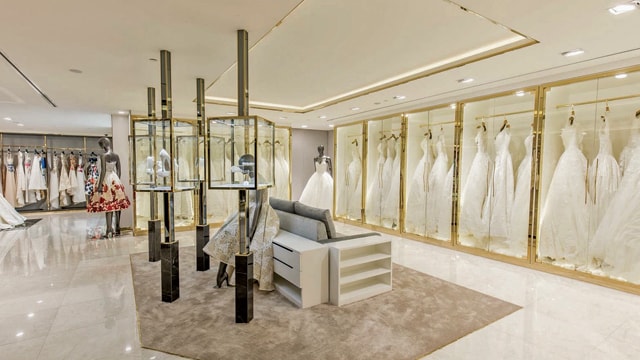
The company owns 36 single brand stores in Lebanon, making it the biggest in the country. They also have stores in Bahrain, Abu Dhabi and Jordan. But curating the collections for each country requires a more wholesome understanding of the local market, explains Shamy, adding, “I always pick classic colours for Lebanon – black, white, navy blue, grey, maybe dark reds. We are looking for a simple dress that looks sexy on woman.”
So while picking through a designer’s collection for their stores in Kuwait or Abu Dhabi, they will go for more fun colours and the styles might become more long hemmed, long sleeves and just covered up in general.
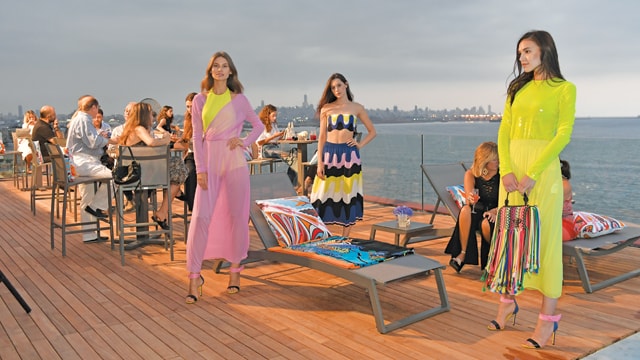
Bright colours and innovative fabrics in general are a major winner in diffident Kuwait. Mazin Jawich of United Global Original adds, “With the hot and humid weathers in Kuwait and Saudi, customers are always looking for cool fabrics. They not only want comfort and functionality, but also need to look luxurious.” The buyer will often pick up a style or technique and ask designers to recreate them in lighter materials.
Barring some cultures like Lebanon, fashion however still has a very conservative bent and if you notice closely, modesty has become a major global fashion trend unto itself. Nasrah Hussain Mukhtar, a partner at Collage Dubai informed our team that she is working on a modest fashion event that will bring designers from different countries together as an exclusive collaboration for her store.
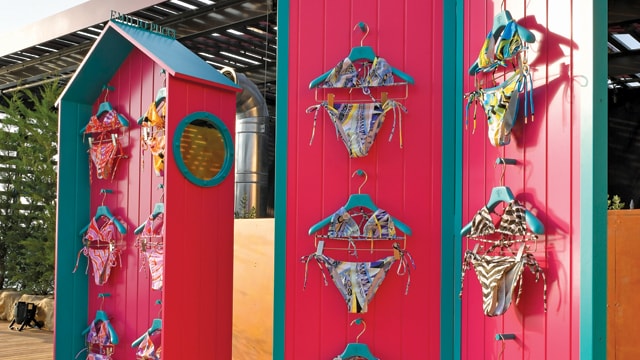
Dina A. Sammakieh, Founder of I Love Hishma, based in Jeddah says: “My store sells everything in modest fashion but on a trendy level. However, I have noticed that people now have an appreciation for the young independent designers starting on their own. They are open to more creativity and brands that may not be so popular but are takings risks with new concepts.”
The quest for newness and exclusive items is huge in the Middle East at the moment. Wafaa Al-Ghalayini, Founder of Basics, a 25 years old boutique that sells Haute Couture and RTW, also in Jeddah, corroborates the same point saying, “The cities in Saudi are very small and often social circles overlap so customers are very careful about not buying the same outfit as someone else in their circle.” Hence, buyers often seek out designers who are open to making changes.
With so much competition within the region, creating grand experiences is also a major aspect of retail in the Middle East. Tareq Srour Malah, CEO of TM Fashion Group which operates 8 multi-brand luxury stores in Kuwait and Turkey says that their shops hold a trunk show or some sort of consumer-facing event every 2 months in collaboration with their designers. And apart from their main boutique, they also have a special customization office where clients can come and design their own outfits with the help of designers and receive the final pieces in just a month.
Similarly, AÏSHTI’s main boutique has facilities like a luxury spa, salon and gym as well as an exclusive restaurant which is headed by a French chef. The company also publishes its own magazines which retail directly from news stands like any other typical monthly.
Middle East is a mushrooming market with a breadth of opportunities. It comes with its own implications and differences but with its mammoth purchasing power and keen interest in fashion, it is not one that can be ignored.