Even as lockdowns in various countries have been lifted, consumers find themselves being fearful of stepping outside with the pandemic still showing no signs of subdual. It is, therefore, imperative for brands to understand this dilemma and play to their strengths to garner more market share as some retailers are still looking out for ways to cope with the ramifications of a catastrophe.
In keeping with the trend of overhauling and revamping e-commerce operations to enrapture customer attention, many brands have either invested in building overarching websites or sought the myriad successful shopping platforms available in India and abroad. Other than this, the integration of AI in all process on the front of manufacturing, retailing and consumer experience is the way forward in a world that is deeming human touch unsafe altogether.
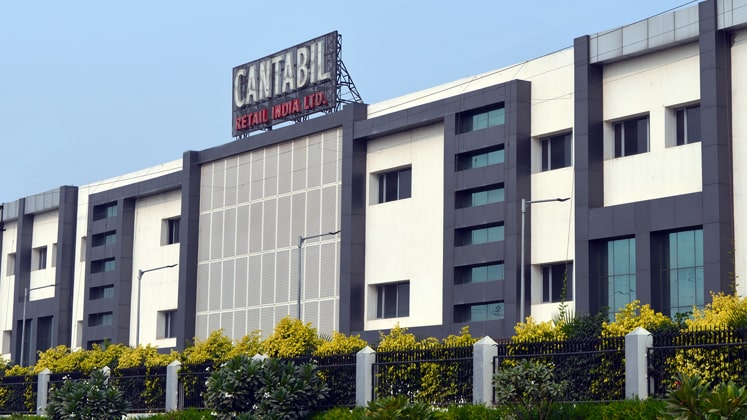
Cantabil, a company that is in the business of designing, manufacturing, branding, and retailing of apparel with over 2,500 employees countrywide, is forging ahead with innovation and quickness to respond to consumer needs of shopping online as well as establishing safety protocols in newly reopened stores.
Cantabil goes online
In a move to give itself an edge over its competitors, one of India’s leading retail brands Cantabil is further strengthening its omnichannel strategy by making its debut in the e-commerce space with Amazon, Flipkart, Snapdeal and Paytm.
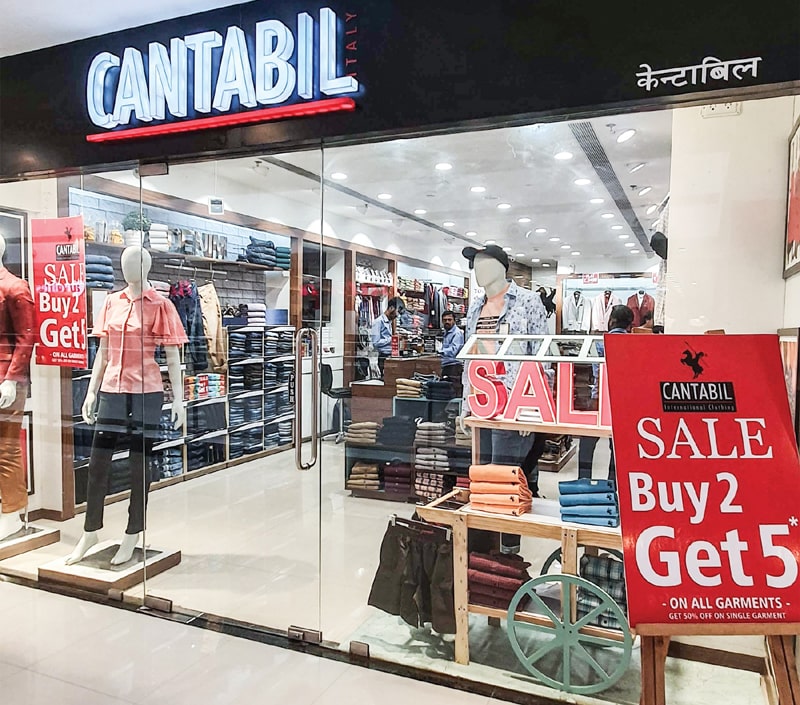
In a press conference, Cantabil unveiled its Spring/Summer ’20 collection which consists of a mix of formal, casual and ultra-casual clothing for men, women and kids along with the step to retail online. The collection has been received well in stores by customers as footfalls increase with growing relaxations in lockdowns, and the brand expects a great response on the online platforms too. Releasing the new collection alongside plans to move online will accomplish two goals of pushing fresh inventory that has been lying with the manufacturer as well as insight intrigue in customers to actually visit the online portals for a look at new designs from their favourite brand.
Also Read: WFH-Wear: New hope for apparel retail brands fighting COVID-19
Speaking on the move to e-commerce channels, Deepak Bansal, Director, Cantabil, said, “As we strengthen our presence both online and offline, we will continue to do whatever it takes to be there for all our customers, employees and other stakeholders. From a business perspective, we are continuously evaluating our ways to scale up cost-effectiveness and improve efficiency levels. While the pandemic has impacted both consumer behaviour and demand, we strongly believe that with trust and confidence that the brand has garnered over 20 years, we will surely come out stronger and stand in good stead.”
Shivendra Nigam, CFO, Cantabil, added, “E-commerce will play a pivotal role post-COVID-19 for the retail sector, as it will play a key role in maintaining market equilibrium. It is expected to bring back the sales for numerous retail players, and for us, it would definitely be one of the key growth drivers moving forward.”
Having had the move to e-commerce in the pipeline for some time now, Cantabil had been focusing on offline expansion till last year; opening 75 new stores per year. Before the pandemic, Cantabil was growing at 30 per cent CAGR year over year. The considerable growth in offline retail had somewhat halted the plans for online expansion, but the brand has picked the correct time to take business to e-platforms seeing as that is where the current scope for retail lies.
Cantabil’s move towards automatisation
E-tailing is hardly the only focus for the Delhi-based manufacturer and retailer. Cantabil is stepping up the use of technology in order to remain ahead of trends that are bound to run galore once retailers adapt the ‘new normal’. Cantabil plans to invest substantially in digital to provide innovation lead shopping experience to the customers.
“This pandemic has pushed us into increasing our innovation and IT budgets. We are strategising in bringing world-class technology solutions to our brand. One example of it would be implementing ERP Navision by Microsoft, which shall be completed by this year,” said Deepak Bansal.
Commenting on the IT budget for Cantabil Retail, Bansal added, “The budget will substantially increase due to the implementation of the ERP Navison in the entire gamut of our stores. Plus, we would be spending on providing innovation-led shopping experience to our customers; hence the budget in this regard shall see an upward swing.”
Nigam also affirmed that this step towards end-to-end automatisation with Microsoft Navision is expected to be rolled out by the end of the year after a couple of months of beta testing. The company is hoping for automatisation from procurement to payment.
Although Bansal expresses that digitisation beyond a point is not possible in a labour-intensive garment making unit, the company plans to make the factory as digitised as possible. The process is likely to eliminate a few jobs along the way for which they are ready to support and slowly transition into this new phase for the benefit of the labour ecosystem.
Reopening stores with care
The company has expressed that they have not experienced much losses during the ‘lull’ period of lockdowns, and while the top-line profits will be affected, the growing footfall after the stores reopened makes it certain that the quarter results will not suffer much.
The brand has over 300 stores in the country and is focusing on adhering to the guidelines issued by the Central and State governments as well as the permission from local authorities for the reopening of stores. All the locations were rigorously sanitised before restarting the business. The brand is also rolling out a Standard Operating Procedure (SOP) to ensure the well-being of both staff and customers. They added that the store will likely be sanitised thrice a day along with changes in display and sanitisation of garments after trial.
Other than this, the company, which garnered sales of Rs. 290 crore in FY18-19, is focusing efforts towards a new marketing strategy wherein they are targeting customers through social and digital media and are promoting shopping through appointment, through social media to provide safe shopping options to customers, while keeping them informed on how they are practicing social distancing in factory and stores.
Also Read: It’s not easy selling apparels digitally