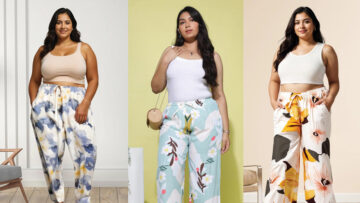
India has a huge appetite for all things fashion and this is being noticed by not only local retailers which are growing exponentially on the back of this affinity for branded fashion, but also international biggies which are strategising to grab a pie of this market. According to India Business of Fashion Report, the apparel market in the country is expected to grow at nearly 11 percent to reach US $ 85 billion by 2021.
While the numbers are from the pre-Covid times and there has been a considerable fall in the revenue generation by apparel retailers which apparently closed in FY ’21 with a 40-45 percent decline in revenues, it is being estimated that the demand recovery for the sector will occur in the second half of the year and well into FY ’22.
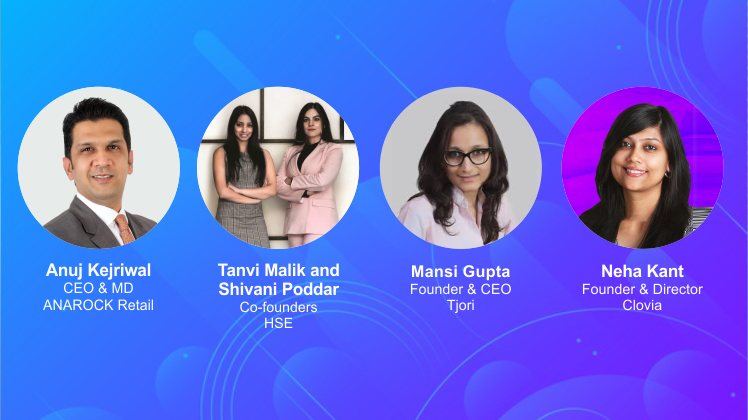
Mansi Gupta, Founder & CEO, Tjori, avers, “From the day the Coronavirus outbreak began, its impact has been felt across the apparel and textile sector globally and is expected to decelerate the growth projection of the textile and apparel industry in India. However with the projection of difficult times, everyone is gearing up to fight this and we as a brand have also set some plans into action, like ensuring supply chains are not broken and all designs are made with the best available material and many more such measures.”
Even as the segment is in a pinch and consumers are yet to start spending on fashion like before, one trend that has been in the market for quite some time now and is still going strong is brand extension. Brands or retailers often use brand extension as a strategy, using their well-known brand names to launch a product in a different category wherein the existing brand serves as an effective and economical tool for the new product.
What we are delving into right now is the amalgamation of fashion and beauty segment. Apparel brands are no longer interested in restricting themselves to just clothes and fashion and are entering the beauty and personal care segment with ease. And why not? The two categories go well together and it bodes really well with the consumers too.
The beautification process
While the beauty and personal care industry is definitely not recession free or pandemic-proof, it is definitely proving to be an exciting refuge for both the consumers as well as brands, not only during the current period but since quite some time now, across the country and even abroad.
Fast-fashion retailer Boohoo launched its beauty range in 2017 and is not the only brand to capitalise on this burgeoning industry. Brands like Primark, H&M, Topshop, M&S and New Look, among many others, too have launched their very own beauty products. And it comes hot on the heels of apparel brands in India as well as those which are entering this segment and are excelling at it too.
Brands like Fabindia, Clovia, Zivame, Tjori and even fashion designer like Manish Malhotra have launched their beauty and personal care line. Also, it’s not just apparel focused brands entering the beauty segment, but the other way round too. Cosmetics and beauty products retail brand Nykaa has recently entered the apparel segment offering womenswear to the discerning.
So what really is making this extension a good proposition for apparel and even personal care brands? For starters, the beauty market is predicted to be worth US $ 90 billion by 2020 and it’s definitely is an enticing segment to explore and apparel brands get to exploit this immensely potential market and thereby grow their customer base and increase revenue. Also, one cannot deny that beauty products help obtain customer loyalty through repeat purchases because consumers have to replenish skincare, lip colour or personal care products more frequently than apparel.
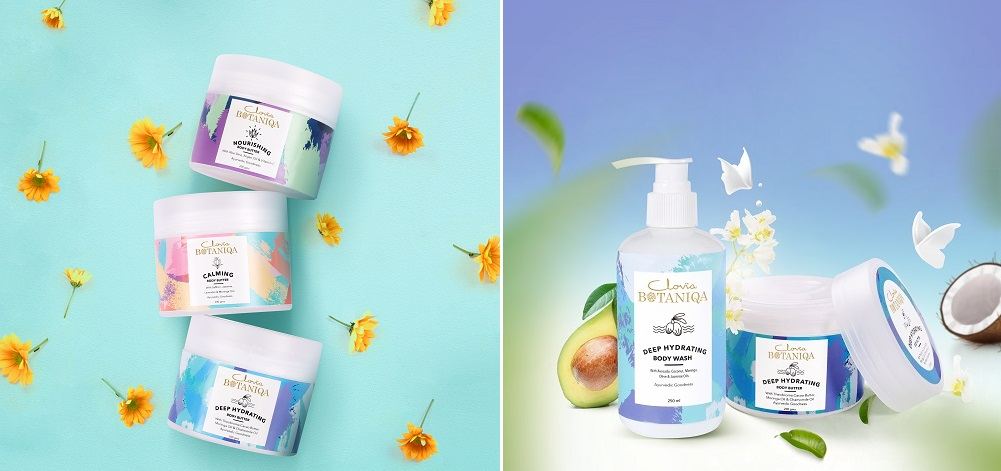
The category can help increase apparel shoppers’ average order value. Neha Kant, Founder & Director, Clovia, avers, “We see a lot of potential in the beauty and personal care market. This segment is growing phenomenally and there are a variety of brands available addressing all possible needs of customers. Of late, we have seen a massive inclination of customers towards organic and herbal products. To cater to the needs of the customers at an affordable price point, we decided to expand our category to personal care products – with Ayurvedic formulations, completely safe and natural ingredients. Carefully curated for the needs of new moms, the range offers solutions for the problems faced during and post-pregnancy such as hair-fall, tired/dull skin, stretch marks, dryness, acne as well as stress.”
Beauty and skincare products, especially with fashionable or unique packaging or a top designer name behind them, are sought-after gifts, which is another selling opportunity for retailers, and that’s what designer Manish Malhotra is leveraging with his MyGlamm range.
Anuj Kejriwal, CEO & MD, ANAROCK Retail, agrees, “One of the major factors driving this trend is to offer consumers a complete shopping experience where besides apparel, they can also get the matching accessories (be it watches, shoes, beauty products etc.). Moreover, in the prevailing competitive business environment, it is imperative that brands go beyond to retain customer loyalty. More than apparel, customers quite frequently replenish their beauty products including lip colours, creams and other skincare products. For brands, it is also a strategy to increase their revenues and more than often, retailers can extend their customer base. Therefore, it is a viable and sustainable model for many brands in some sense, proviso the beauty-related products are well-appreciated.”
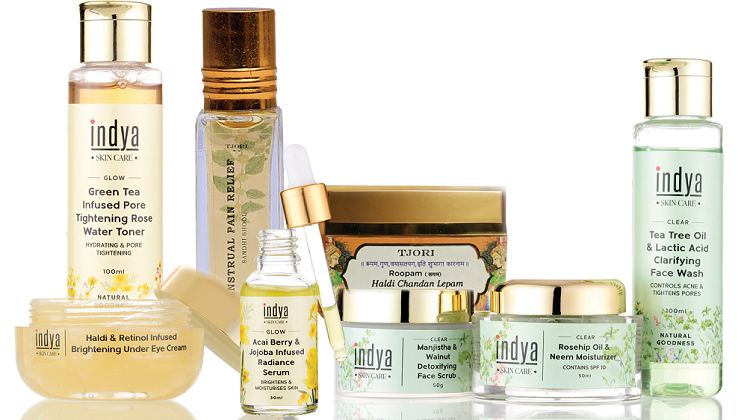
Fashion house High Street Essentials Pvt. Ltd. which owns FabAlley and Indya announced its foray into the personal care segment with the launch of an in-house brand Indya Skin Care, this January. The brand extension is aimed at strengthening the company’s vision to be a one-stop lifestyle destination for its customers.
Tanvi Malik and Shivani Poddar, Co-founders of HSE feel that this is in alignment with the company’s plans of utilising funds from its latest round of funding (secured in June 2020) to venture into new categories and this is pertinent to current times and even valuable to the company’s audience since the segment fulfils the functional and emotional aspect of self-care at home in the post-pandemic era. Indya Skin Care decodes beauty for millennials by bringing together the goodness of Indian ingredients and the efficacy of Western science.
Furthermore, having a beauty line increases the chance to tap into a large and new pool of influencers and capitalise on their highly engaged social audience. “I absolutely agree with the fact. As per the Connected Beauty Consumer report, 50 per cent beauty consumers use social media and online videos such as YouTube, and 40 per cent consumers do online research before buying products. Influencer marketing plays a major role in determining purchase decisions. Hence, we as an online brand are already active on marking our digital presence through content and active influencer marketing promotions to attract aspirational consumers,” avers Mansi Gupta.
Clovia too believes that having a skincare range will help the brand reach wider audience on social media, and has even collaborated with celebrated tennis player Sania Mirza for its latest range that is dedicated to new moms. “With the launch of Clovia Botaniqa, we take this as an opportunity to strengthen our social media presence and make a connection with the audience instantly. Besides collaborating with Sania Mirza, we have also looped in over 100+ mom and lifestyle/beauty influencers for Clovia Botaniqa who are talking about our latest offerings like clay masks, hair oils, face serums, etc,” informs Neha Kant.
Also Read: Retail trends to look out for amid fear of contagion
Profitable? Or just a fad?
While the overall apparel industry is somewhat still under a bad spell due to the pandemic induced fear, a recent report by Facebook India in association with Boston Consulting Group, has maintained that online buyers for beauty products have increased 1.35x during the pandemic and this clearly indicates the change in the market. The report also revealed that at least 51 per cent consumers will continue and increase online spending in the next six months out of which 43 per cent will account for cosmetics. The numbers sure shows how not just the current times but otherwise as well, it’s always great to extend an already successful brand into something that consumers will continue to invest in.

Tjori offers products like skin brightening face packs, gels, serums, bath & body products and many more, and a lot of pain relief oils and hair care products in the wellness category and more than 30 per cent sales come from this category for the brand.
Indya, similarly offers products categorised under five ranges that target specific skin concerns and the brand is dedicated to formulating a unique combination of beauty blends that are 100 per cent paraben, SLS and cruelty-free.Indya’s39 SKUs in the face care category ranging from Rs.250-Rs.1450 are available on the brand’s website, exclusive brand stores, and online beauty marketplaces like Nykaa, Purplle and Myntra.
One major attraction and something to focus on before launching a skincare range is knowing what today’s consumers really want. Ayurvedic and organic products are in vogue right now, a bit because consumers are too conscious about it and also because it’s the new trend.
Mansi Gupta agrees, “Due to rising income, consumers are more considerate about product effectiveness and ingredients rather than price. As a result, we as skincare brands are more focused on advertising the quality of products instead of undercutting prices. We have always been a firm believer of age-old recipes. To win among the huge competitive market over product superiority, our focus lies more on being natural, ayurvedic, organic and sustainable. In fact, the BPC market has the biggest share of consumers that prefer to shop organic. Also, shopping preferences differ from customer to customer. We follow a customer-centric and environmental-friendly model that intersects both digital and physical channels.”
Going forward
Even as this kind of brand extension looks enticing, it definitely comes with its set of challenges and hurdles during the execution of the extension strategy, optimising the supply chain logistics that benefits the bottom line, capitalising on the existing brand equity, assurance of positive ROI for the new line, etc. Addressing the challenges is critical and is the one and only way forward.
Besides the exposure to social media, awareness about branded skincare products, and the belief in ‘Look Good, Feel Good’ has further escalated this industry, not only in urban areas but even in Tier-2 and Tier-3 regions. It has become more accessible in these towns with the help of platforms like Nykaa, Myntra and Amazon which are very popular in small towns and are prompting beauty brands to invest in digital channels.
Commenting on the future and potential of this segment, Tanvi Malik and Shivani Poddar maintain, “While we have been researching the beauty space for quite some time, the escalating demand of skin care products this past year gave us that final push. The closure of salons and spas due to COVID forced people to take better care of their skin at home, eventually finding delight in the routine and making it a means to unwind and de-stress. With an existing loyal community of 2 million customers, supported by a robust system of logistics, and strong marketing, we are certain that our vision of broadening brand Indya to fit into every aspect of a woman’s self-care needs will be a success.”
And the industry agrees and with that, it is only wise for apparel brands to foray into the segment and tap on an altogether new consumer base.