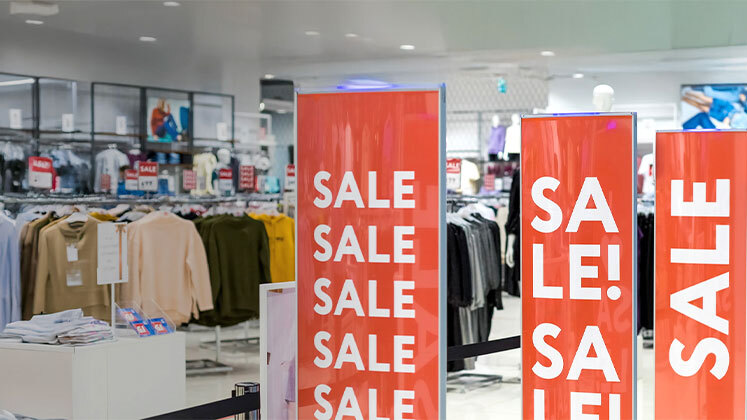
Apparel brands in India have brought forward their year-end festival sales this season in a bid to clear excess winter wear inventory and counter subdued consumer demand, according to industry insiders and recent reporting.
Major fashion labels, including H&M, Uniqlo, Levi’s and Marks & Spencer, along with multi-brand retailers such as Lifestyle and a number of e-commerce platforms, launched their year-end promotions as early as mid-December, significantly earlier than the traditional sales calendar. Typically, festival discounts begin closer to Christmas or New Year’s Day, but this year’s sales commenced almost two weeks ahead of schedule and closely followed the Black Friday event held on 28th November.
A merchandise executive at a global apparel brand, speaking on condition of anonymity, described the timing shift as a “two-pronged departure from usual practice”, noting that the limited gap between Black Friday and the year-end festival sales reflected the urgency to shift stock.
Industry sources said some brands have offered up to 50% discounts on merchandise to accelerate stock movement. Another executive from a global fashion company observed that anticipated demand for winter wear in northern regions had failed to materialise, leaving retailers with higher-than-expected inventory levels. The executive also remarked that recent reductions in the Goods and Services Tax (GST) for lower-priced apparel—implemented in September—had not stimulated demand as strongly as expected.
The executive explained that despite the extended window of promotional activity created by back-to-back sales events, consumer demand remained muted. This has prompted several brands to bring forward their discount periods to facilitate inventory clearance before the onset of the new season.
Industry participants also highlighted the importance of January’s Republic Day sales period as a key opportunity to further liquidate winter stock and create momentum ahead of new spring–summer collection launches. Executives said brands needed to ensure that a substantial portion of winter inventory was sold by the end of December to maintain supply-chain efficiency and make room for upcoming seasonal lines.
New entrants to the market have adapted to the changing demand patterns, with some executives noting an increased preference among consumers for medium-weight winter apparel over heavier items such as jackets and trench coats—an insight they expect to inform future seasonal planning.
The shift in sales strategy underscores broader challenges facing apparel retailers amid fluctuating consumer behaviour and inventory pressures in the post-holiday period.