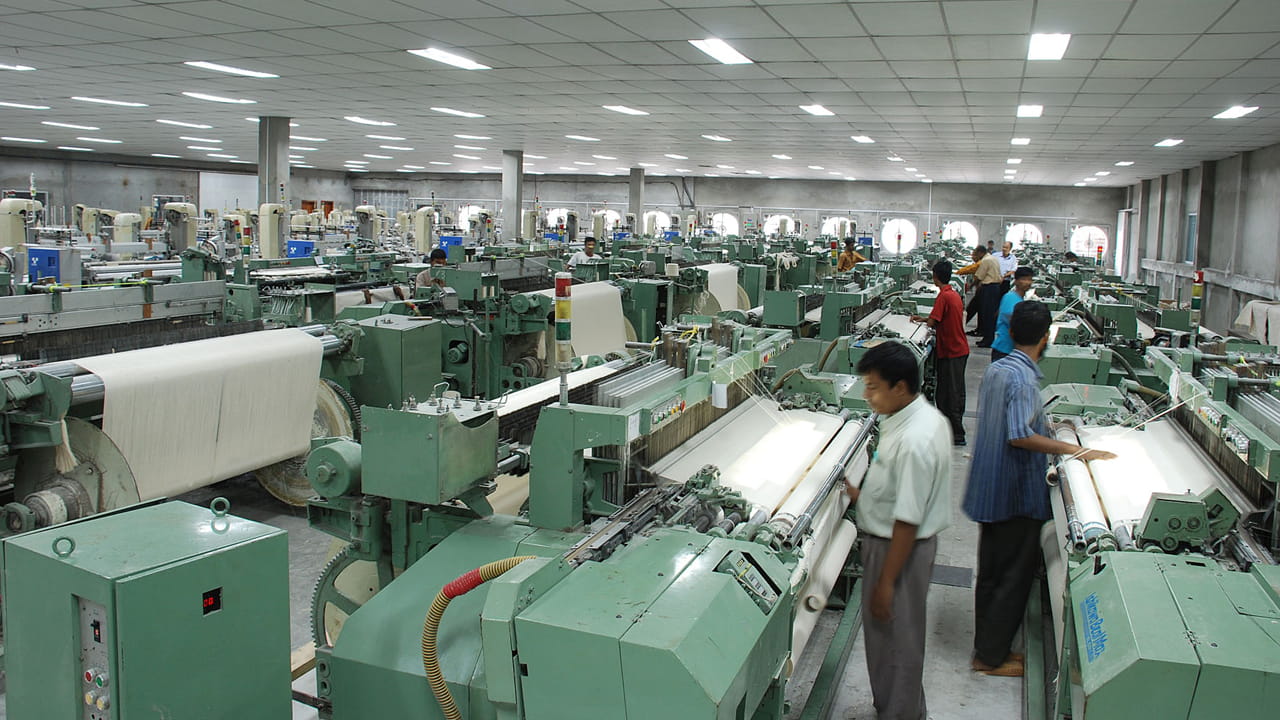
Around 350 textile mills located in Surat and nearby areas in Indian state of Gujarat are yet to have adequate fire safety measures in place to deal with any untoward incident. This has been revealed in a survey conducted by the fire and emergency services of Surat Municipal Corporation (SMC).
The authority which surveyed around 50 per cent of textile units which are located at Pandesara GIDC and Kadodara would be issuing notices to them to obey fire safety norm.
A total of 3 lakh workers are employed with these textile units in the city. These units have monthly turnover of around Rs. 1,800 crore while their annual turnover stands at Rs. 21,000 crore.
Lakhs of workers put their lives at risk while working at these units which have weak structures and no adequate safety measures in place. Absence of proper place to keep raw material and finished goods invites fire disaster. However, a recent instruction of Gujarat Pollution Control Board (GPCB) about chimneys to mills has resulted into marginal decline in air pollution.
Mental and physical torture due to work pressure, trauma, ill-treatment, and sexual harassment are major problems being faced by workers employed in textile mills in India. Additionally, the textile industry workforce, majorly represented by young women, is compelled to work for long hours and forced to live in unauthorised hostels.
These textile units need to think about workers’ safety in view of their contribution in revenue growth for the respective companies. Not to repeat, Rana Plaza like tragedy in India, these unit owners need to open their eyes and arrange for safety measures for them. The Rana Plaza tragedy, the biggest industrial disaster claimed lives of at least 1,138 people and left more than 2,500 injured five years ago in Bangladesh.