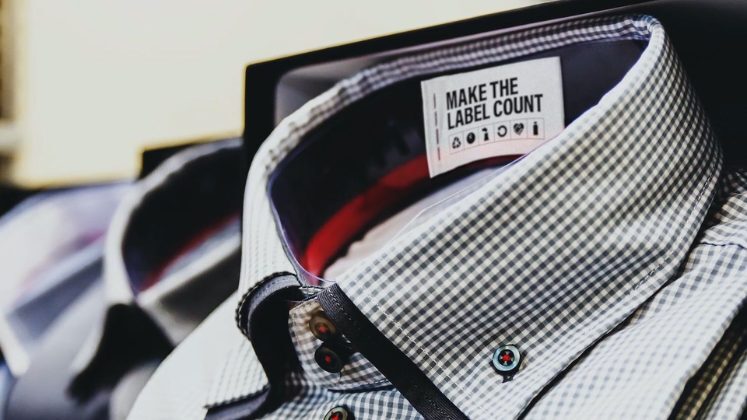
In an effort to critically examine and update the European Commission’s (EC) Product Environmental Footprint (PEF) methodology for fashion and textiles, cotton sustainability initiative Better Cotton has joined the Make the Label Count coalition (MTLC).
The coalition is advocating for more precise and trustworthy sustainability data in the fashion and textile industries, with the backing of more than 50 groups from the natural fibre and environmental sectors.
To standardise the assessment and disclosure of organisational and product sustainability in the EU market, the European Commission launched the PEF initiative. This method makes use of 16 indicators that cover a variety of resource consumption, environmental consequences, and toxicity hazards to ecosystems and humans.
These diverse affects are normalised, given weights, and then combined to get an overall PEF score. A uniform PEF approach is being implemented for three reasons: to reduce costs for businesses by making it easier to comply with various frameworks; to make it easier for eco-friendly products to be traded across EU borders; and to increase consumer confidence in environmental labelling.
When comparing textiles from natural vs synthetic sources, the system’s goal of facilitating direct product comparisons is not fully realised because not all environmental effects—particularly those resulting from the usage of fossil fuels—are taken into account.
Addressing this issue is still crucial for the sustainability of the business, as the manufacturing of synthetic fibres is increasing in tandem with the growth of fast fashion. EU-endorsed labels run the risk of encouraging resource overconsumption under the false pretence of sustainability in the absence of revised PEF criteria.
MTLC points out that in order to allow for precise comparisons between products made from renewable and non-renewable resources, the PEF framework’s present flaws must be fixed.
It also stated that if these problems are not addressed, a system that undercuts the EU’s environmental goals and misses opportunities to move towards a circular economy may be established.