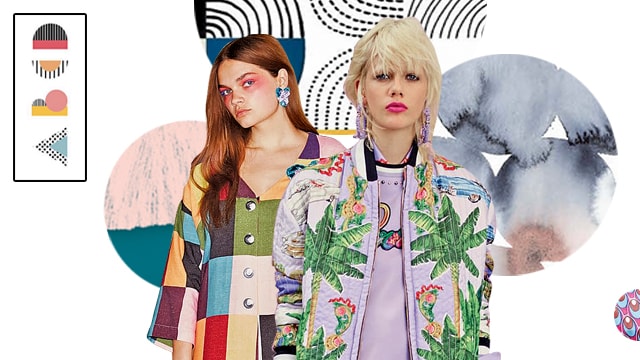
Fashion of the future has a best friend named customization – from the prints and colours that we opt to wear, to the sizes and shapes that best suit us, fashion increasingly is more about feeling at home with oneself, rather than blatantly following trends.
The fashion industry, on the whole, is going through a revolution of sorts with respect to the ‘see-now-buy-now’ strategy. Products from the runway hit stores and ultimately wardrobes of the consumers, faster than ever.
This trend is a direct reflection of the fact that fashion events and trends have become increasingly consumer-facing in the age of digital and social media. The strategy fills the gap wherein the consumer previously had to wait 6 months to purchase a garment, but now can literally ‘see and then proceed’ to ‘buy’ them instantly.
Designers and high fashion brands are looking out to capitalize on the hype created around this scenario to not only tap into their customers’ demands, but to also battle the hindrances created by fast fashion brands that come out with knock-offs at the drop of a hat.
However, this entire change in attitude and business ideals calls for a major shift in the production timeline. Prints and patterns are crucial elements in this chain. With the time and effort involved in traditional screen-printing, quite a hefty number of designers and manufacturers are increasingly looking at digital printing options which comparatively possess a shorter timeline.
As opposed to its counterpart, digital printing also ensures a higher quality, more unique designs at scale and a myriad of colours and hues.
The cost performance for small production runs also translates into looks that can be created on a scale of one – rather than thousands. This directly caters to individual customers’ demands by producing personalized designs.
Still a relatively new technical development in the domain of fashion textiles, the coming years seem like a rousing period for digital textile printing.
However, as this sector experiences a boom within the industry, especially with a significant dip in the cost of ink and print production, it stands the chance of becoming a commonplace within the world of textile printing.
Garments such as T-shirts, shirts and dresses might serve as the most common applications in digitally printed textiles but what remains to be seen is the outreach of this particular mode of printing and where it leads to.
Here, we have put together trends in the digital print domain which will impact the approaching Spring/Summer 2018 season in a big way, laying a foundation for the future of this promising sector…