The question is “To be or not to be”, or “Risk vs. Security”
PRIVATE LABEL MANUFACTURING:
As a private label vendor, you are always going to be hit for the lowest price.
If you are producing for an American or a European retailer or manufacturer, ARE YOU really being recognised?
The label that goes into the garment is not yours, so the consumer does not know who you are.
If you are a facility in India, Bangladesh, Vietnam, Pakistan, Sri Lanka, China and many other similar countries, chances are in most cases that you are a third party or a sub-contractor to a Trading Agency, or a Sourcing office.
This means, in each cycle, you have to get three very important factors aligned to reach the order of PRICE, QUALITY and ON-TIME DELIVERY. The JOKE of these factors was “Pick any Two”, but this does not apply in today’s market, you must deliver all three.
Therefore, you must consistently put in new machinery, continually update all your systems, and in many cases work with different purchasers, as they are ever changing.
In private label, you as the manufacturer in most cases, do not have control of your sales, and your stake lies at the mercy of other organisations, and their relationship holdings with the buyer.
This is a very difficult cycle to maintain.
The good part about the private label is that the definition of term ‘manufacturer’ has changed over the years, say since the 1950s.
The manufacturer was known as a full package Institution.
The definition was as follows:
You control your own sales staff and distribution, issued, and paid for your own marketing.
You establish your own in-house Merchandising, Design and Engineering staff, or pay for Freelance assistance for the service.
You manufacture the designs at your own manufacturing facilities.
You have the financial capabilities of purchasing all raw materials, paying for all employees, shipping and collecting payment for your product.
The current definition of a manufacturer has a completly different hold. It has been broken up into self-contained departments or businesses.
A salesperson, with the right connections, can purchase Freelance designs to his or her buyer’s desires. He or she can then go to a sourcing agency to get the costing needed.
After receiving valid purchase orders in hand, he/she can get the financing required to create the product in tune with his specifications, and deliver it to the buyer customer. Profit received can be credited to his efforts and coordination. It does not require to have any employees for facilities to process and ship the product.
Therefore, PRIVATE LABEL WILL ALWAYS BE NEEDED although the definition will never go back to its original.
BRANDED PRODUCTS:
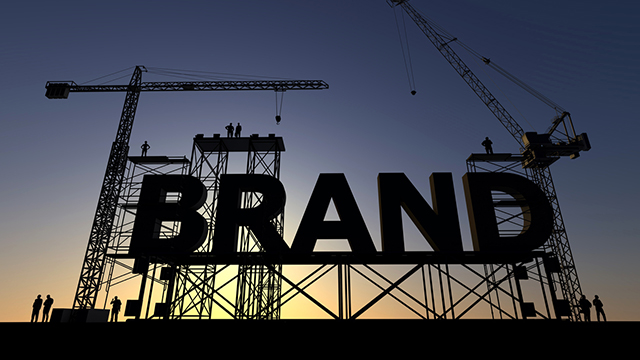
Since the new definition will not retreat back, what does it take to build a BRAND?
- You must have complete control over your sales staff, and understand who your market consumer is. Also, remember the best way to reach them.
- You must put into your business plan MONIES $$$$ for marketing.
- We now have social media communications globally, so the cost of getting to the consumer may not be as expensive as it was, but you still have to have Product Attraction to get exposure.
- The consumer is looking for consistency in QUALITY, FIT and CONSUMER UNDERSTANDING, in relation to where your product belongs to and how it evolves.
- LICENSING, OR THE LEASING OF AN ALREADY ACCEPTED BRAND, is another way of getting brand recognition with the consumer.
- This all cost monies and is not easy to maintain. It can lead to ruins abruptly if the systems and controls are not adequate.
Once you have established, in the minds of the consumer what your BRAND stands for, you can have that sense of security that in good times your orders will be as per contemplated. During bad days, your orders will be a “Maybe”, when the consumers have less to spend. They will go to their TRUSTED BRANDS instead of trying something new even if it comes at a lesser price.
Both avenues of business are here to stay, but now since we have easier ways to reach to consumers, it may be worthwhile, to try and create a BRAND.
You can start it locally in your own domestic market, and if you gain success, you might be able to build a BRAND globally and sustain a business with a long life for you and yours. The steadfast reason for being a brand must not waver in its consistency to the consumer.
Good Luck,
Bruce Berton