Business keyboard_arrow_right Sourcing keyboard_arrow_right Feature

Innerwear still an untapped territory for Indian Exporters

Innerwear
Image Courtesy sawyer bengtson

For over a decade now, we have been hearing that innerwear is coming out of the closet…, but finally it is truly out in the open and prominently visible in stores and online shopping sites with more and more people comfortable in buying not only basic innerwear but high-end fashion inners. This fast-moving category is being driven globally by increasing awareness regarding personal hygiene, rising disposable income, on-the-go lifestyle, improved living standards and changing preferences of consumers. It is further fuelled by the spread of modern retail formats both off and online and increasing product visibility.

Under the larger umbrella of innerwear, the market is segmented between the men’s market and the more fancy-driven women’s wear market. And both the markets are significantly growing. While the global men’s innerwear segment is estimated to be growing at a CAGR of 5.8% to reach US $ 13.6 billion by the end of 2024, the global market for womenswear is projected to be growing at a CAGR of 6.4% to reach US $ 55.83 billion by the end of 2024. Organized retail penetration and growth of monobrand and multibrand outlets worldwide are driving sales further.

Yet, sadly, Indian manufacturers of innerwear, both in menswear and womenswear segment are concentrating more on the domestic market, choosing to ignore the huge potential that exists abroad. Even those who are working in the export market are mostly focusing on men’s segment, where margins are relatively less. India has but a few top-end lingerie manufacturers attempting global market. But then can we really blame them considering that the Indian market is ripe for the best brands with a market size that is growing at an estimated CAGR of 12.2%.

Innerwear
Innerwears

Currently, the domestic underwear market is estimated at nearly Rs. 24,000 crore (US $ 4000 million) according to a 2016 report by Intimate Apparel Association of India and Wazir Advisors. It is expected to become a Rs. 47,000 crore (US $ 7833 million) market, which is nearly 8% of the total estimated apparel market, by 2020. The men’s underwear market is currently valued at around Rs. 8,500 crore (US $ 1417 million). With increasing disposable income and changing consumer attitudes towards the category, the segment is expected to maintain growth to reach Rs.16,500 crore (US $ 2750 million) by 2020, added the report.
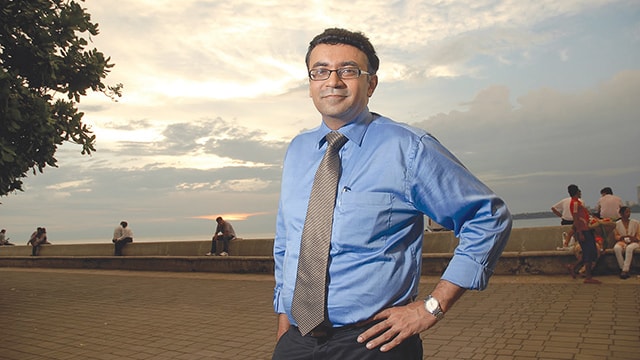
Sanjay K Jain, MD, TT Ltd., Delhi; Chairman of NITRA and Vice Chairman CITI

No wonder, domestic players are expanding. We have several prominent names who have carved a distinct niche for themselves in the Indian innerwear domain such as Rupa and Co. Ltd. (MacroMan, Frontline and Euro), Lux Industries Ltd. (Lux Cozi), Dollar Industries Ltd. (Bigboss, Club) and Maxwell Industries (VIP, Frenchie). Recently, Advent International, a leading US-based private equity investor, has acquired Dixcy Textiles, Tirupur, a prominent player in domestic undergarment industry. Dixcy with a strength of nearly 3,500 people, plans to raise money from private equity funds at a valuation of Rs. 3,000-3,400 crore (US $ 500 to 567 million). Talking to any company of this segment, one can find out that despite all variety of challenges, they are confident about the growth of the entire innerwear industry be it men’s undergarments, lingerie, shapewear etc. Sanjay K Jain, MD, TT Ltd, Delhi; Chairman of NITRA and Vice Chairman CITI, feels that undergarments export is increasing but at a very small pace. He even states that “Our exports have grown multifold because we were working on a very small base earlier.” He further added that innerwear market will grow consistently, and the biggest opportunity is going to come from the unorganized market shifting to the branded players like him. “Hence, I see growth coming from market expansion and market shift. TT limited, one of the most famous brand in India, is offering the complete range of innerwear for gents, ladies and kids. It currently produces 3 million pieces per month. In the last fiscal, the company had a turnover of Rs. 678 crore (US $ 113 million)” shared a proud Sanjay.

“Our existing business of ceramic is passing through recession, so we are planning to enter into textile industry. Initially, we will be investing Rs. 3 crore into knitting and stitching machines, and will start with undergarment manufacturing. Due to less dyeing, value addition and PD issues, undergarment seems to be the best product category to start with. Hopefully production will start in one year. Export is also on our radar but at a later stage.” – IA Badi, Neon Industries, Rajkot

Yusuf Dohadwala, CEO, Intimate Apparel Association of India (IAAI), claims that overall Indian intimatewear industry is witnessing the fastest Y-o-Y growth which is estimated at 18-20 per cent and this growth is the highest in the world. IAAI is one of the prominent bodies of Indian intimate apparel industry. One of the strong reasons for this growing innerwear industry is its large basic necessity. This makes it almost recession proof with minimal effect from negative market trends. Although according to Sanjay, due to psychological impact and pipeline inventory, the Indian innerwear industry faces short-term recession impact as seen in demonetization and GST period.

In the words of Yusuf, “Things are fast changing in India with consumers getting more evolved. Fashionable intimatewear is rapidly growing and taking large space in the wardrobes especially for women’s category.”

Why not export…

Brandix, Quantum Clothing, Seeds Intimate Apparel, Pratibha Syntex, Eastman Exports Global Clothing, Best Corporation, SGM Garments, Clifton Export, KPR Mills… these are few of the selected companies in India that are into export of these product segments; while in domestic market, there is a long list of strong and public limited companies who are achieving tremendous growth in almost all product categories of innerwear segment. So what is stopping them from exploring the overseas market? “Overall competitiveness in India is an issue due to unfavourable FTAs and bilateral agreements vis-à-vis our competitors like Bangladesh, Vietnam, Cambodia etc. Hence, exports are mainly limited to Middle East and African nations – further domestic brands need to get more organized and integrated to cater to USA and Europe in a bigger way,” said Sanjay thoughtfully. He also feels that both domestic and exports have enough scope but export growth would somehow depend on Government policy and support.

Yusuf informed, “We already have over 1,000 labels in innerwear segment who cater to the Indian market. Exports from India for innerwear are apparently very less but growing. However, our industry has to work on poor skills in manufacturing of value-added products or fashionable products. Therefore, at present, we can export only basics. For value-added products, India is unable to meet the efficiencies found in China, Bangladesh, Sri Lanka, Vietnam, Cambodia, Indonesia. To be competitive in exports, it is very important to have raw material base in India, especially for lingerie segment which is very low. Hence, to do export, we would have to depend on China for raw materials, hence increasing the lead time and which is why buyers don’t aim at coming to India.”

Cotton will continue to take lead

Cotton is and will continue to dominate as consumers are pretty comfortable and used to cotton. Having said that, polyamide and other synthetic fabrics have also started taking space in India’s intimatewear industry, but the growth is slow as many manufacturers are unable to handle synthetic fabrics well, and hence it still has limited use. But going forward, synthetic fabrics will grow as consumers start experiencing the comfort that these fabrics have to offer. In innerwear, cotton is set to rule in India, as it is cheaper than its alternate modal fibre. In innerwear blends, cotton/spandex or modal/cotton will be more in demand.

According to Yusuf, few lingerie companies who are really doing well do not have capacities for exports. Their market in India itself is large and growing which doesn’t allow them to look at exports. Being a highly-skilled driven industry, somehow it hasn’t been able to implement skill development programmes effectively to support intimatewear manufacturing. He adds, “Unfortunately very few, including our Government, fail to understand how potential employment-generator this industry can be. Smaller countries like Vietnam, Bangladesh, Cambodia have understood this and excelled.”

Experts do feel that India’s innerwear industry is at a nascent stage and has lot of potholes like lack of skills for producing technical and quality products, poor availability of technicians and lingerie designers, dearth of quality raw materials for which India has to depend on China. This makes the import duties on raw materials high and the products expensive. To overcome such challenges, Yusuf briefed that IAAI organizes events like Galleria Intima which address the raw material challenges in India and gradually increase exports from India. IAAI is also creating awareness through seminars to help the Indian manufacturers and brands to upgrade their knowledge and be competitive.

With regard to lingerie manufacturing, it was being said that there are suppliers who can’t offer all accessories together (in proper shade) for bra and more or less things have not improved much even currently. Small components like rings, sliders, hooks and eye tapes are not available in India which can pass the quality standards for top brands. Additionally, India lacks enough technical training institutes, arrangements for lingerie/undergarment industry, especially at the shopfloor level. This is an important area to be addressed. IAAI had many rounds of discussions with institutions such as NIFT to overcome such challenges but nobody seems to take this up.

Major players in men’s global innerwear market…

Key market players in the men’s segment are Hanesbrands Inc., Philips-Van Heusen Corporation, Ralph Lauren Corporation, Jockey International Inc., American Eagle Outfitter Inc., Iconix Brand Group Inc., JC Penney Corporation Inc., and Berkshire Hathaway Inc. The key players operating in the global lingerie market are Jockey International Inc., Wisconsin, Hanes, Groupe Chantelle, LVMH, L Brands Inc., MAS Holdings Limited, Ann Summers, Marks and Spencer, PVH Corporation among others.

Despite all such major limitations, Yusuf is confident that leading brands of the world will have to come to India for their sourcing requirements. “It is just a matter of time and if the current Government continues its reform mission, we aren’t too far from ‘the Make in India’ vision. Brands like Victoria Secret and M&S, Calvin Klein and many more are already sourcing from India. One should visit Brandix India Apparel City (BIAC) in Visakhapatnam to see the millions of bras and panties being produced every month for leading brands. BIAC also claims about having a world-class Integrated Textile Park with facilities which are not available anywhere else in the world,” says Yusuf on an optimistic note.

Exporter’s take…

BSCI certified Clifton Export, Tirupur, is producing 50 million undergarments per year and exporting to retailers in Europe. B. Naveen, Managing Director of the company informed, “The only benefit of undergarment manufacturing is that you have business throughout the year but this product segment has very less margins compared to any other garment product and more price-competitive. Besides, one needs specialization machines and in-house elastic manufacturing without which producing undergarments would become very difficult. We do have our own set-up for elastic manufacturing.” He further added that in the last 4 years, Bangladesh has increased its focus on the undergarment business which is again a big challenge for players like him. “We have noticed only 5 to 10 per cent growth in undergarment exports owing to this,” said Naveen although his company has its own fabric dyeing plant.

Some of the low-profile companies are also doing good business in this segment and enjoying decent growth. Anuj Shah who was earlier associated with Pigeon Impex, Surat, offering seamless garments (including undergarments) six months ago, has now started Flavors Impex and is exporting seamless undergarments to Turkey and Europe. “Yes, we have major share in domestic market but we keep focus on export and are continuously improving on the same,” averred Anuj. There are some more such companies in Ahmedabad offering lingerie and nightwear also.

Ahmedabad-based Santosh Shree Santoshi Agencies offers variety of products in innerwear segment and also exports to Middle East and African countries. Sunil Nasra, Director of the company shared with AOI, “It is true that lingerie manufacturing is growing in Ahmedabad but there are very few companies doing quality products, while rest are doing low-cost products.”

Raw materials

As far as the issue of raw material availability is concerned, there are some companies who claim one-point solution for the entire range of accessories needed for a specfic product such as bra. Kotak Overseas, Mumbai is one of them. Nikhil Kotak, CEO of the company reasons, “Very minor difference like shade variation will be there always, no matter from wherever lingerie manufacturers are sourcing. But we have an edge as we are serving lingerie manufacturers with the complete range right from cup to all other components and that too with the best quality. Sometimes manufacturers are having very less lead time, even in that case, we try to support them with the best possibilities.” He even stated that there are some manufacturers who themselves don’t want to source the entire range from one supplier. They try to save cost but at the end, it costs them almost the same.

Challenges in domestic market too

Overall, in domestic innerwear market, extreme competition and low margins by competitors especially from the unorganized segment is a challenge. GST and restructuring of industry will help to reduce the latter hurdles but the first ones need to be fought by disruptive and out-of-box solutions. With regard to lingerie, earlier it was being emphasized that the demand for bra in domestic market is so high that Indian brands/manufacturers are using their full capacities, and expanding and they feel no need to move into the international arena. But now, many not-so-known brands have started seeing the difficulties. Experts feel that market is becoming more systematic with organized retail and e-commerce taking most of the market share from the traditional MBOs and most of these brands were dependent on MBOs till now for their sales. “Market consolidation has already begun. Many manufacturers will convert to job working units or explore export opportunities as survival in the domestic market will get tougher for them unless they consider investing in brand building,” claims Yusuf with a careful consideration of the Indian innerwear market at large.

Hubs

No doubt, Kolkata and Tirupur are prominent hubs in India for men’s innerwear but in case of hosiery products and garments and in lingerie, the larger production bases are in Delhi, Mumbai, Bangalore and Ahmedabad. Hubs like Kanpur are also doing well as the city is already having strong hold on knitted products. Apart from many small-and medium-level players, Kanpur has growing companies like Jet Knitwears Ltd., which brought its IPO just a year ago. It claims to have its products certified as skin-friendly and antibacterial by facility for Ecological and Analytical Testing, IIT, Kanpur. In lingerie business, Vizag, Delhi-NCR, Mumbai, Ahmedabad and selected companies in Bangalore are known for lingerie manufacturing. There are units coming up in other regions but at a small-or medium-level scale.

Business keyboard_arrow_right Sourcing keyboard_arrow_right Feature

Indian Exporters cater to growing global demand for Bedsheets

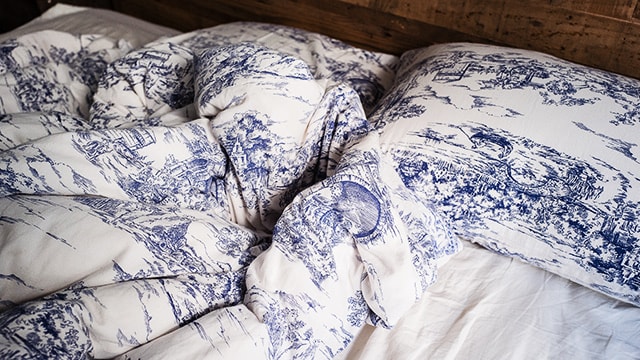
Image Courtesy: toa Heftiba unsplash.com

Bedsheet is one such product category in home furnishing which is observing good demand. In-fact bedsheets are becoming the new luxury necessity of the consumers worldwide, and have helped in the revival of the Indian exporters catering majorly to international markets such as the US and Europe. With the increasing cotton and yarn prices emerging as major concern for these players, resurgence in the basic bedsheet segment provides a new ray of hope to them. Overall, Indian manufacturers are satisfied with this rising demand.

Beautifully displayed bed linen by D’Decor, Mumbai. Though most of the demand in overseas market is for basic bedsheets, some of the companies are doing well in value addition also

The demand was and is always higher for basic and plain products in the overseas market, like cotton is a leading key fabric for bedsheets because of its durability, comfort and breathability qualities. India, China and Pakistan are the principal players in the global bed linen industry. These nations contribute around 60 per cent of the total bed linen exports. Countries like Turkey and Portugal are also occupying a decent amount of the market share due to their geographical positioning and are giving tough competition to Indian exporters in high-end bed section.

Some of the exporters feel that South Africa and Latin America are emergent markets for Indian exporters. High purchasing power, on-time payments, increasing demand for Indian bed linens, are some of the significant factors which are attracting more exporters to these markets, whereas India’s existing markets are as usual the UK and US.

“Basic is the new trend in the US market, with little bit of stripes and ethnic prints going with the flow of our buyers’ needs who purchase a decent amount of our total production,” shared Abhinnav, Director, By Adab, Delhi. He further added that they are producing and exporting 100 per cent Egyptian cotton, joint-less stitching, which keep the bed linen running for a longer period of time. For better control over quality of final products, they ensure that even the yarn quality is the best. The company’s total production of bedsheets goes up to 60 per cent, and it caters to US, Europe, UK and domestic markets as well. It also offers bed sheets with self-cleaning technology which do not require any kind of detergent washing until the bedsheet has any kind of tough stain for which mild detergent wash might be required. Its Eucacel bedsheets are rich in multivitamin benefits which will be helpful to keep human bodies healthy. These bedsheets are made from the finest fabric with high thread count ranges. In Abhinnav’s words, “We give fabric the best of eco-friendly process as per the international standards.”

Image Courtesy: jenna christina unsplash.com

Offering a variety of bedsheets like wider width, fitted, antimicrobial finish, Shree Lakshmi Cotsyn, Kanpur, has bedsheets comprising nearly 40 per cent of its total home furnishing production. Working with all top brands, retailers across the globe, Alok Aggarwal, ED of the company agrees that demand is still more for the basic segment. He shared, “We are getting quite good response for basic as well as CVC cotton-based bedsheets. As far as demand of special finish is concerned, there is as such no enthusiasm on the demand side. No matter how good is the finish, it has limited life maximum up to 10 washes. So, requirement and volume business is for 500 thread count, 1000 – 2000 thread count and we focus on the same.” He further added that bedsheet business has good growth.

Some of the exporters feel that there is impact on bedsheet business too but it is less than other product categories like cushions, pillow covers etc. Dealing with complete range of home furnishing products, Amit Bhandari, Director, PAS Home Textiles, Jaipur shared, “There is some negative impact on demand, despite bedsheets being the least affected products in our entire product range.” The company is exporting its products to South America, Australia, New Zealand etc.

Ahmedabad, which is known for its strength of cotton fabric and processing, has some companies doing really well in bedsheets and they are optimistic about further growth in this product category. One of them is six decades old CA Patel Textiles. One of the well-known company of Ahmedabad, CA Patel Textiles is producing bedsheets from last many decades and is one of the best vendors for Sleepwell brand. It also has its own brand of bedsheets by the name of ‘CAPS’ and is engaged in exports too. Swapnil Patel, Director of the company briefed, “Our strong relation with Sleepwell, India’s most famous brand of mattresses shows how dedicated we are about timely delivery and quality. We export bedsheets to various countries and the main demand is for cotton-based bedsheets. Having expertise in fabric gives us expertise in bedsheets. We are able to manage any order of bedsheets no matter how big or difficult it is.” He further added that the company is having potential to offer bedsheets ranging from Rs. 300 to Rs. 3,000 which include various thread count of pure cotton, cotton-polyester, CVC, jacquard etc.

The company has three designers for fabric as well as bedsheet designs and also takes services of freelancers. Having turnover of almost Rs. 300 crore, the company has 70 per cent share in the bedsheet business. Despite being dependent on outsourcing for grey fabric to process, the company claims that it is cost-effective compared to vertical set-ups/mills and has better control over quality. It has 200 stitching machines for bedsheets and a few other machines for other range of home products.

The trending hues

Neutral and dark shades are currently ruling the bedsheet market like beige, grey, off white, lighter shades of blues and dark colours like navy blue and wine colour. Amit feels that there is no as such dedicated colour or trend having fixed demand and mix is being liked by buyers. Vaishali Thapa, Director, Sharda Bimla Devi Hastakshar Foundation Trust, Gurgaon, observes that there is huge demand for colours like indigo, neutral colours followed by black, brown, grey, teal, turmeric, maroon and red. Vaishali also has experience of working with Crate and Barrel International Sourcing India, Fab Furnish. She started her own business 4 years ago and is still doing reasonable business.

Organic: The growing vogue

Organic is a growing trend in bedsheet business and start-ups are venturing into the same. “ ‘It’s time to give back’ is the new vogue which is attracting more buyers towards us,” said Navya Khanna of Sadyaska, a Delhi-based organic bedding manufacturer. Texuara, Jaipur is also a GOTS certified company which is dealing in 100 per cent organic bedding products. The company produces 1,000 pieces monthly and is now eyeing the domestic market. Manuj Therapanti, Director, Texaura, says, “We have seen good demand of organic cotton-based bedsheets and it will continue to remain so in overseas as well as domestic markets.”

Vietnam’s garment trade body suggests wage hike deferral

Garment Exporters
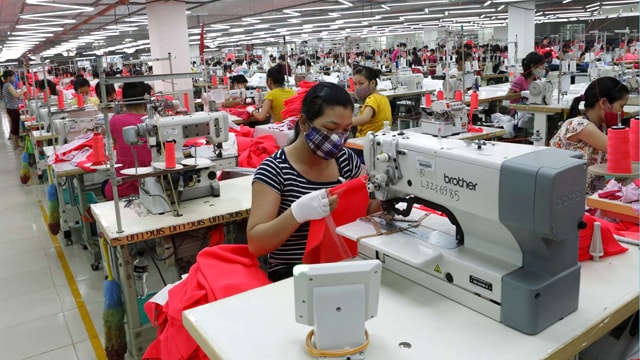
Image Courtesy: straitstimes.com

Vietnam Textile and Apparel Association (VITAS) has urged the Prime Minister Nguyễn Xuân Phúc to stop raising the wages of the workers from 2018 onwards.

The exports from the country witnessed a significant growth (10 per cent) in the first half of the current year, reaching US $ 14.1 billion. Despite such an impressive growth, the industry is facing a lot of issues.

The Government must consider making some adjustments in the policies, reportedly maintained VITAS.

The authorities reached an agreement of 6.5 per cent hike last month only. Once approved, the raise will be given to the workers from January 2018 onwards.

The association has stated that any hike in minimum wages would further increase the total cost of production for the garment and textile companies by around 3 per cent.

It has suggested the Government to postpone the minimum wage hike until 2022.

Additionally, the trade association has requested the Government to work on the cost of ocean shipping as well as the premium rates. This will help the garment and textile firms in expanding their operations.

VITAS has even urged the Finance Ministry to exempt the companies (using local raw materials to export their products) from the value added tax (VAT). The exemption will encourage exporters to further use domestic raw materials.

Dollar General releases US$ 4M grant for literacy programmes

Corporate Social Responsibility
Image Courtesy: healthy.lk

US-based Dollar General Literacy Foundation, which works under Dollar General Corporation, has released an annual grant of over US $ 4 million to support the youth literacy programmes.

The grant will be distributed to around 1,000 schools, organisations and non-profits, stated the company in a press release issued.

Schools and non-profit organisations located within a 20-mile radius of a Dollar General store or distribution centre in the 44 US states that the retailer serves in have been chosen as the beneficiaries of the grant, distributed at the start of every school year.

Dollar General Literacy Foundation promotes literacy and education across the communities through its mission of ‘Serving Others’, informed Todd Vasos, Dollar General’s Chief Executive Officer.

Started in 1993, Dollar General Literacy Foundation has helped people in enhancing their literacy levels by releasing more than US $ 140 million in grants to non-profit organisations.

Over nine million people who either wish to continue their education or to become a literate have been benefited through the Foundation’s initiatives.

Business keyboard_arrow_right Retail keyboard_arrow_right News

Cherokee Global Brands closes Q2 with US $ 14M in revenue

Image Courtesy: mr-mag.com

Cherokee Global Brands, a global brand marketing platform that manages a growing portfolio of fashion and lifestyle brands, has announced financial results for the second quarter ended July 29, 2017.

During the reporting quarter, the company’s GAAP operating loss stood at US $ 1 million as against GAAP operating income of US $ 2.5 million in the same quarter of 2016.

GAAP operating loss for the first two-quarters remained US $ 3.1 million compared to GAAP operating income of US $ 6.8 million in the corresponding period of last year.

Cherokee Global Brands further reported a non-GAAP operating income of US $ 0.8 million in the second quarter as against US $ 3.2 million in the second quarter of 2016.

Non-GAAP operating income for the first six months stood at US $ 0.9 million compared to US $ 8.2 million in the first six months of 2016. The consolidated revenue was US $ 14 million.

The company’s adjusted EBITDA remained US $ 1.2 million compared to US $ 3.5 million in the same quarter of the previous fiscal. For the six-month period, the adjusted EBITDA totalled US $ 1.9 million versus US $ 8.9 million in the prior-year period.

“Having weathered a few headwinds during the first half of fiscal 2018, we remain focused on fully realizing upcoming opportunities through our strategic business model,” said Henry Stupp, Chief Executive Officer of the company while commenting on the results.

Business keyboard_arrow_right Retail keyboard_arrow_right Feature

India’s Vardhman Group Aims to Remain Diversified, Competitive, Challenging

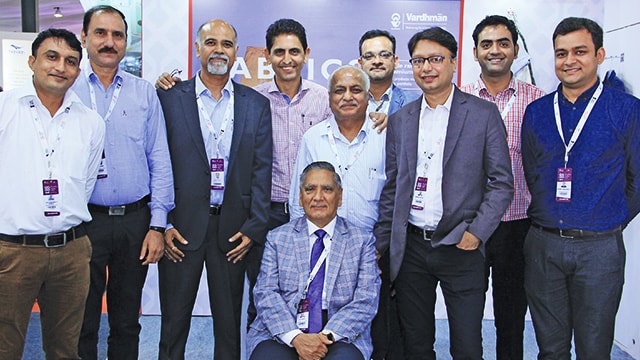
The Vardhman team from various divisions with DL Sharma, MD, Vardhman Yarns & Threads (sitting)

The competitive challenges posed by the changing global scenario in the textile chain have compelled players to adopt fresh strategies to not only remain competitive, but also relevant. Even a huge textile group like Vardhman that has a strong history of commitment to invest in the business with initiatives directed at long-term sustainability, is gearing up for the challenges. In an exclusive interaction with Team Apparel Online, Suchita Oswal Jain, Joint Managing Director, Vardhman shares the future directions for the company and areas of thrust.

Acknowledging that the industry is becoming very demanding and that old school of thoughts and systems can no longer bring in growth, Suchita feels that three major challenges in the industry today are: Innovation, Speed to market and Operational excellence. “Each of these areas is in need of constant efforts, and as an integrated textile company from spinning to fabrics, Vardhman Group aims to be a benchmark player in the global textile industry, producing diverse range of products. We seek to be a preferred company through excellence in manufacturing and customer service, based on creative combination of state-of-the-art technology and human resources,” says Suchita.

The challenge of innovations lies in developing products that are truly different and can help in devising a differential policy. “The process of innovation includes not only R&D at our end but it also encompasses the concept of co-creating with customers to give the market something which is truly exclusive,” avers Suchita. She shares that they have been working in collaboration with retailers and brands for a long time. “It is brands like H&M, Zara, s.Oliver, Gap and the likes which are the trend setters and through joint development, we are partners in this process and can be ahead of other companies when the demand for such yarns or fabrics actually hit the market,” reasons Suchita. The areas of concentration for development are prints & yarn dyed fabrics, cellulose blends, multi fibre-blends, bottom weight fabrics to name a few, the idea is to constantly expand the product basket.

Supporting the product development efforts is a strong Process Development Team at the Product Development Centre. Furthermore, the company has collaborated with an international design studio to assist in the design process. The design team works with the International Design Consortium to understand the trends predicted for the upcoming fashion seasons. Based on these predictions and their interpretation, the design team launches collections every year. “We experiment with textures, fibres and patterns to bring in exciting range of designs that are then adopted by leading fashion houses globally for their collections,” shares Suchita. The design capabilities are bolstered by in-house independent, state-of-the-art pilot sampling units based on Japanese and European technology that facilitate the development of new product and support creating fabric swatches as per specifications.

There is no doubt that the supply chain can no longer work the way it used to and the imperative word today is Speed. “The fashion cycle has become so fast that no company can afford to wait for things to happen, we have to constantly push new products into the market and be ready to supply as quickly as possible,” says Suchita. The company is supplying all over the world and making all kinds of efforts to meet the ever-changing lead time demand of the customers. They are constantly building up our infrastructure to support this effort. Recently, the company has set up modern Automatic Warehousing facility at a huge cost to cut on the supply lead time and also better managing the dispatches to the customer.

Also supporting fast deliveries is their sourcing strategy. The Vardhman Group is one of the largest consumers of cotton in India and being a seasonal agricultural commodity, the company uses well thought-out strategies to source cotton during the peak marketing period for its annual consumption to maintain consistency and regularity of quantity and quality for finished products. Since the Group is a major buyer with substantial financial resources and a sterling reputation, it enjoys a preferred buyer status in the ginning industry in the country.

Talking of operational excellence Suchita agrees that the challenges are not only on maintaining consistent quality, but also on saving cost, being more efficient, enhancing productivity and being leaner in operations. “The only way to stay competitive is to continuously work on improving systems, and at Vardhman, it has become our way of life,” says Suchita. Factors like sustainable operations, CSR and employee engagement are built into the ethos of the company and well -known to customers. They are not just marketing tools, but tools to enhance operational excellence.

Yet, the company does not rest on its laurels and is working hard to develop new markets to support its growth projections. Also, a focus target is to be among the top 3 textile groups in India and be known as a reliable global partner by major retailers and brands. In search of these goals, the company is looking to expand its yarn capacity to 1.3 million spindles in the next three years from the current 1 million spindles and fabric to over 180 million metres from the current 120 million metres, during the same period.

One of the biggest edges that the company has is its integrated strength across fibres and yarns, threads, fabrics and finished garments (high-end formal shirts). Currently, Vardhman Textiles has the largest installed spinning capacity in India and is a market leader in hand knitting yarns.

It also enjoys a dominant position in the fabric processing capability in the country and considered market leader in the stretch fabrics. The manufacturing is extremely flexible both in terms of composition as well as quantity and the company can develop wide range of yarn and fabrics based on the requirements.

“We are very focused and ready for the future and with our PM, Narendra Modi’s thrust on ‘Make in India’, we are geared up to be among the frontrunners of this dynamic movement, from the textile industry,” concludes Suchita.

6,000 garment workers go on strike in Vietnam

Labour Rights
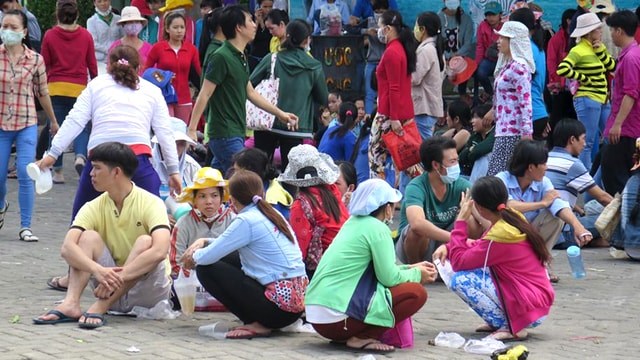
Image Courtesy: dw.com

Around 6,000 garment workers in the Thanh Hoa Province of northern Vietnam went on strike on September 6, Reuter reports.

The workers reportedly claimed that their company, S&H Vina Co. Ltd., treated them in an inhumane manner in addition to imposing several unreasonable regulations. The company is located in the district of Thach Thanh.

The strike started when some workers placed an old fabric on the floor, after lunch, to relax. The supervisor immediately reprimanded and asked them to sit on the hard floor. Over 2,000 workers straightaway stopped working. Soon, around 4,000 workers too joined the protest.

On 7th September, the workers continued the strike and presented the company a list of demands that included salary hike, benefits for children and bonus for senior employees.

Proper travel allowances, appropriate maternity leaves as well as removal of penalty in case any worker is not able to come to the company due to ill health are also amongst the demands placed.

At present, the workers have to serve a 3-day notice to avail sick leave or take a leave in case of death in a family. The workers get only 1 paid leave every month.

The unreasonable laws of the company seem to have infuriated the workers the most.

A meeting was finally organised on the 7th afternoon between the management and the garment workers to resolve the issue. The company has removed the supervisor who was involved in the incident and also assured to consider some of the demands raised by the workers.

Business keyboard_arrow_right Sustainability keyboard_arrow_right Feature

Next Retail Focuses on Investing in Best Ethical Standards, Human Rights

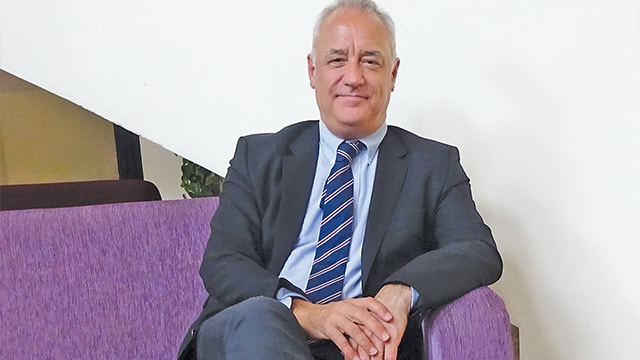
Chris L Grayer, Head of Supplier, Ethical Compliance for Next Retail Ltd.

Ensuring human rights and assuring ethical standards, communication, training while increasing productivity and efficiency, are the top priorities for Chris L Grayer, Head of Supplier, Ethical Compliance for Next Retail Ltd. With more than 32 years of experience in manufacturing, quality, supply chain, Chris has previously worked for Burberry, Talbots Inc., Dewhirst Group…, and since the last 5 years, he is leading the Global Code of Practice at Next in achieving sustainable ethical goals in their supply chains. Chris was in India recently to create awareness among Next suppliers regarding Human Rights and the introduction of the UK Modern Slavery Act and for illustrating current challenges in the supply chain. In a candid interaction with Team AO during the visit, Chris touches upon various global- and India-specific issues of the apparel industry.

He emphasized that ‘exploitation’ is not an issue specific to only Asian countries, but has also taken place in UK and Turkey – it is a universal issue that needs a fresh approach. “We welcome the new Human Rights and Modern Slavery Legislation, which has been in the coming since a long time. We have always placed human rights at the centre of our ethical trade; we consider implication of salient risks that occur to those employed within our supply chain. Salient risks could be anything such as slavery, exploitation, bonded or child labour, and it also includes payment of a fair living wage, illegal land grabbing, the denial of the provision of adequate water supply and sanitation. The correct understanding of Human Rights requires understanding of where the salient risks are taking place and then thinking about how these can be mitigated by implementing what needs to be done to remove or potentially reduce the salience of the risks and then deciding what more we need to do and who/how do we do it,” explains Chris.

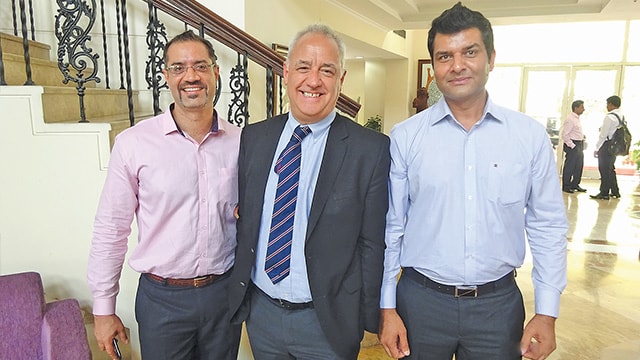
Team NEXT Plc. Chris L Grayer (C) with Vikram Pandita, (L) Regional Manager South Asia and Middle East and Varun Chaudhary, Manager, COP

He further adds that the most important aspect is to have a level playing field of standards by agreeing on a singular approach for all suppliers, as many suppliers complain that “What I have to do for this brand is different from what I have to do for another brand.” After the introduction of the UK legislation, other countries such as France, Australia and Germany are also considering similar legislations, which is good news. “So, the next step is that hopefully we get a broad agreement of the same standards, then the same process can be applied and we will get the same approach and extend the level playing field to all. Collaboration is vital in achieving the change,” reasons Chris.

Give people responsibility and accountability; you can’t make people accountable without giving them the relevant responsibility.

Living wage is giving a fair wage; it is also recognising skills and efforts to provide the investment that can provide the correct remuneration for that job.

Give people a career not just “a job”.  Workers have aspirations; I have seen some of the best factory managements coming from the shopfloor. You don’t need a degree to be a successful factory manager or a technical manager.

According to him, the Bangladesh Accord made a huge difference to the way people work. It was a manifestation of the realization between the Trade Unions, NGOs, and the Brands that the systemic risks in the industry can only be resolved together and that one has to have realistic achievable standards, combined with a level of tolerance as the progress is being made. Chris explains, “The approach was to come together strategically under the Accord and set the standards and then rapidly improve by remediation, the result of the Accord is that mercifully there have not been any further such incidents in Bangladesh, as we are now able to manage risk. The Bangladesh RMG industry is now rapidly growing to be world class. Initially, there were major concerns which were going to cost a lot of money but the investment has actually added value and quality to the Bangladesh RMG industry.”

Taking the collaborative approach forward, Next has joined the ACT Project. “We are working together with other brands within the supply chain through The ACT (Action, Collaboration and Transformation) project, which 19 European brands and IndustriAll have signed as an MOU to look at the challenges of providing living/fair wages achieved through freedom of association, collective bargaining, and how can these be advocated or implemented practically,” shares Chris. He adds that there are huge variations in minimum wages across the world, and to build a better industry, we need to recognize that there has to be investment in learning productivity and efficiency to move away from the reliance on ‘cheap labour’.

As a company, the ethical focus for Next is to have its own team to support suppliers achieving the required ethical standards, so that they do not use third party auditing agencies. “Being directly involved means we build relationships with suppliers and have much more time for training and communicating directly with our vendors, rather than just focusing solely on checking what’s happening. Auditing provides our own diligence; it not only measures a supplier’s ability but also the metric of the effectiveness of our own operations of investing in prevention and training. Our COP (Code of Practice team) is not there to find fault in the factory but to make improvements,” emphasizes Chris positively.

Chris notes that many companies in India have now embraced ethical standards and understand the need to ‘change’ to improve workers conditions, and he also stresses that production efficiency is one of the key areas that need improvement. In his words, “The RMG industry in India has grown quickly in both scale and ability and there is no reason why the industry can’t continue to mature, but there should be more governmental support for the industry and acknowledgement on how important the employment that it provides is. Our focus is to support women in the work place. How can you have a binary discrimination between a male and a female worker in any modern industry? It is vital that this discrimination is halted, as it is blight on the Indian RMG industry.” He even states, “We believe in transparency; the more the transparency, the stronger will be the collaboration. In this commitment, Next is about to make its entire supplier list public.”

Dwelling on his three-decade long journey in the apparel industry, Chris feels that the journey was challenging as well as exciting. “I would like to do it again, it is a great industry. I think one has to understand the opportunities that are there and always be prepared to move quickly. The global and the Indian RMG industry have rapidly changed; there is lot of ethical negativity driven by price and cheap garments. Not so long-ago, customers used to cherish a garment, wear it time-and-again; fast fashion clothing too has become disposable. I am happy that the momentum of change is now including the conditions of workers, improving their lives, and I also believe this will only continue to get better,” says Chris on a concluding note.

Events keyboard_arrow_right News

Denimsandjeans Indian Debut to draw top fashion brands; discuss key issues

Image Courtesy: denimsandjeans.com

The first ever India edition of Denimsandjeans Show is set to raise curtains in Bengaluru on September 25. Major fashion brands and industry experts will attend the garment fair.

The city will host internationally renowned experts from countries like Turkey, Italy, Spain and US. They will discuss issues related to the denim industry during the two-day exhibition.

The show will organise seminars for these industry players to speak on topics such as Latest Trends, Technologies, Sustainability, Innovations and Developments in the denim sector.

One of the keynote speakers, Stefano Aldighieri, ex-Creative Director of 7 for all Mankind brand, will reveal ‘the secrets of making a denim brand successful’. Additionally, Dr Dilek Erik from Turkey will share her ideas on ‘why the rigid denim is coming back but the stretch is still being used’.

Jordi Juani from Jeanologia will give details about the ‘evolution of jeans finishing from hand to technology and how this has changed the jeans world’.

Vasco Pizarro, Director at the largest European Laundry will speak about Denim Wash trends from Top European Brands for Autumn/Winter 2018 season.

Furthermore, denim firms from Bangladesh, Turkey, Spain, Switzerland, Brazil, Italy, and Ethiopia will participate in the event.

Fashion brands like H&M, Marks & Spencer, VF Corporation, GAP, Zara, Pepe Jeans, Killer Jeans, Spykar, JCPenney, Target, Benetton and others will also visit the Indian edition of Denimsandjeans Show.

Business keyboard_arrow_right Retail keyboard_arrow_right Feature

BOPIS – The Retail Saviour offering goodness of online, offline

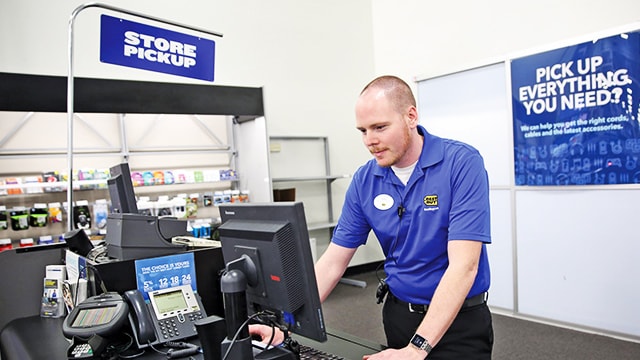
One of the retailers providing store pickup facility

The most prominent retail trend in the past few years is the rise of omni-channel shopping, where consumers no longer distinguish between buying in a store and buying online. While brick-and-mortar stores continue to be threatened by online shopping, even the likes of Amazon are not having it easy, with customers still wanting the advantage of touch and feel, particularly in clothes before actual delivery. The consumers want the choice to research, select, reserve and pay for products online, then pickup-in-store leading to a growing BOPIS (Buy-Online-Pickup-In-Store) model in retail. In the last five years over 90 per cent of top 100 US retailers have entered the fray offering BOPIS service, but there’s a long way to go for customer experience and business value to be optimized.

By integrating online and physical shopping stores, for whom many retail analysts had predicted doom with the advent of digital convenience, this has emerged as an asset rather than a liability. The new retail ‘mantra’ has not only impacted the physical stores, but also posed a challenge for companies that sell entirely online, compelling them to shift strategy, in response to consumer desire for more flexible shopping options. The phenomenon, pioneered by Walmart and Best Buy about seven years ago, is now being adopted across the industry. “It’s huge,” says Lee Peterson, Executive Vice President with retail consultant WD Partners Inc, adding, “It’s a big part of e-commerce for retailers going forward, and a great way to compete with the online invasion…”

Many of these changes will affect the way retailers manage their supply chains. Brands that understand both the power of digital and human psychology will be the winners, as they see digital as a means, not an end. These smart retailers/brands are adopting their business models and integrating themselves deeply into the customer experience, so they are there wherever you need them, whether it is lying in bed or walking down the street – that is what many analysts are calling ‘The Blur’. In, The Blur, the dichotomy of online and offline no longer exists, because the physical world is augmented and enhanced by digital capabilities.

An advertisement by Pure Denim announcing the in store pickup facility

In-store pickup is helpful to brick-and-mortar retailers in a number of ways. In a recent study by JDA (JDA Software is the leading supply chain provider powering today’s digital transformation), having customers pickup their online orders themselves also solves the pesky and expensive challenge of last-mile delivery. The findings of the survey are very interesting; of the respondents that use buy-online-pickup-in-store services, 40% ‘sometimes’ made additional purchases in-store. In fact, returns are also driving traffic. Some 44% (over 10% more than last year) are making returns from online orders in store, with more than 30% doing so to avoid the hassle of return deliveries, and 17% saying they thought they’d receive their refund or exchange more quickly.

Dive Brief

• More than half (54%) of shoppers say they prefer to shop in-store over digital channels including online, mobile and social media, while nearly half (46%) prefer to skip the store in favour of such channels, according to JDA’s third annual Consumer Pulse Survey emailed to Retail Dive.

• JDA frames buy-online-pickup-in-store service, known as BOPIS, is a sweet spot and a ‘cure for the store’, considering “a quick and easy shopping experience” was favoured by 75% of survey respondents over a ‘personalized experience’.

• The prevalence of BOPIS services has risen by 44% since 2015, according to JDA’s survey of more than 1,000 US consumers.

“Our 2017 Consumer Survey highlights the changing role of retail stores,” Jim Prewitt, Vice President of retail industry strategy at JDA, said in a statement. “While there has been speculation of a ‘retail apocalypse’, that doesn’t seem to hold true for consumers. No longer the only channel for shopping, brick-and-mortar stores are still a key cornerstone for a quick and easy shopping experience and the facilitator for popular fulfilment options, like BOPIS and buy-online-return-in-store (BORIS).”

However, the potential risk of going wrong is also high. About half of customers that chose a BOPIS option experience problems, according to a recent Fortune report. Such an experience can be deceptively positive to a business, as sales figures may increase because products have already been purchased. But while the sales numbers might look good, a bad experience could hurt repeat business and generally lower satisfaction. Retailers, who offer BOPIS, must track the entire customer journey to identify potential issues and problems.

Snags in BOPIS services are associated with mismanaged staffing, JDA found. Nearly a quarter (23%) said store staff took a long time or were unable to find the shopper’s order, and 16% said there were no dedicated staff for BOPIS purchases, a situation largely unchanged from last year, JDA said. Target and Walmart are among retailers dedicating staff and areas for in-store pickup. JDA also found 80% of customers surveyed want incentives to make that pickup trip, which introduces other complications. Many retailers (including Walmart, which in April began offering a “Pickup Discount” on about 10,000 items), are offering or testing similar encouragements.

Moody’s Investors Service also believes in the potential of encouraging shoppers to pickup from the stores. Moody’s lead retail analyst Charlie O’Shea praised Walmart’s BOPIS-related discount, saying that it’s “another example of a retailer leveraging its physical stores to provide consumers with more options to receive online orders quickly.”

There may be many problems in actual implementation, but BOPIS is here to stay and everyone in the supply chain needs to prepare for the model with better technology and more responsive service.

Events keyboard_arrow_right Feature

Heimtextil India 2017 Reflects India’s Home Furnishing Potential

Heimtextil India 2017
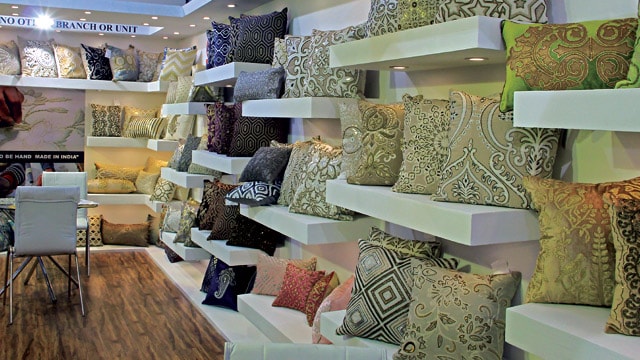
Embroidered cushions displayed by Roshan Creations, Noida

Highlighting the growing strength of Indian domestic market in home furnishing, Heimtextil India fair, organized by Messe Frankfurt recently in Delhi, witnessed as usual many top- and medium-level Indian home furnishing companies. Beside popular brands, some of the established as well as emerging exporters also participated in the fair as they wished to tap the domestic market. Some of them were also participating for the first time, but their presentation and product development were indeed laudable and unique. The companies offering fabric for the home textile industry was one of the show’s main attraction, apart from digital printing being predominant at most of the booths. Apparel Online met all kinds of exhibitors and discussed with them about this booming business as well as their own organization’s stand on the same. Despite many challenges, most of the participants were positive about the export and domestic stand of this industry.

Heimtextil India 2017
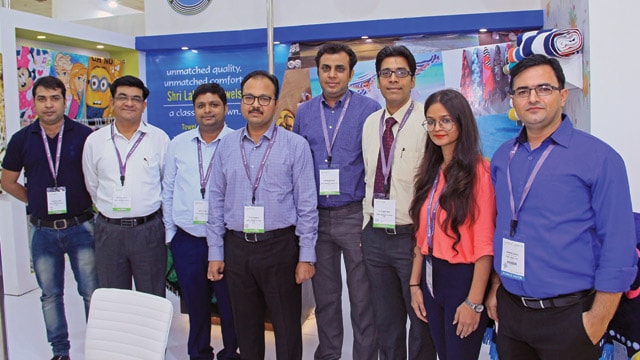
Alok Agarwal (4th from left), ED (Operation), Shri Lakshmi Cotsyn Ltd., Kanpur with his team

Focusing mainly on home furnishing, Shri Lakshmi Cotsyn Ltd., Kanpur, highlighted its printed terry towel and bedsheets. The company focused on a variety of prints, solids and textures. It did a lot of innovations at the yarn stage within cotton modal, cotton bamboo, linen etc. Alok Agarwal, ED (Operation) of the company is happy with the current market scenario and shared, “As far as terry towel business is concerned, market is good and even margins are satisfactory, especially compared to the garment business. We are a volume-based company and work with top brands and retailers, which is one of the big reasons for our survival and growth.” Having capacity of 1000 metric tonnes per month in terry towel segment, the company is currently using 90 per cent of its capacity. With a client base like Walmart, Target, Macy’s, BBB, Sears, Shri Lakshmi Cotsyn Ltd. has observed strong growth in printed towel export. Its total home furnishing business is more than US $ 175 million, out of which terry towel constitutes 60 per cent, while the remaining 40 per cent belongs to bedsheets. “Buyers don’t quit for rates as their major focus is on quality and timely delivery. We do have hard competition from Pakistan in printed towel segment, but in last 4 years, we have not failed in any kind of quality test, and none of our shipment was late, so we are maintaining our stability in business,” added Alok. The company now plans to add its flatbed printing capacity.

Heimtextil India 2017
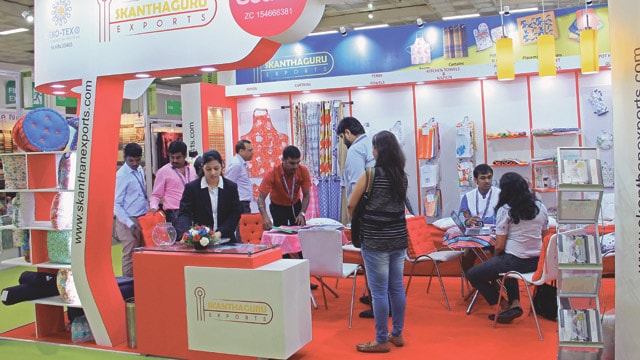
Busy booth of Skanthaguru Exports, Karur

Some of the companies even highlighted on the sustainable/green aspect at the fair and it was heartening to know that awareness and demand for these kinds of products are increasing in the domestic market too. Karur-based Skanthaguru Exports, offering a wide range of home furnishing products, is known for its eco-friendly textiles. “We are kind of exclusive in eco-friendly products right from grassroot level to every other stage involved. Our products are well appreciated in our overseas markets, Europe and Australia, so now we are planning to do the same for US market,” shared KR Karuppanchetty, ED of the company. He further added that a normal cotton product takes six months to one year for degradable/recycling, while his company’s products take only 3 to 4 months.

Highlighting mainly on white colour-based product range, export giant Zen Linen International/Classic Linens International, Chennai, proved its specialization in the Indian domestic market. Ankan Chakraborty, Merchandiser and K. Muthukamatchi, Assistant Manager – Merchandising of the company informed, “We can bifurcate into other products but our core USP is white products. We are into volumes, so our competition is with China.” Both the units of the company are in Chennai and Andhra Pradesh and are well-equipped to handle comforters, pillows, quilted pillows, decorative cushions, laminated products etc. It now plans to expand significantly in comforters with specific stress on speed-up delivery.

Some of the booths in the event were focusing on one particular product, one particular value addition technique only and they too attracted good visitation. Booth of Roshan Creations, Noida was totally dedicated to embroidered cushion. The company, majorly working as an embroidery jobworker, entered into domestic home furnishing market two years ago with its own brand and is enjoying decent growth since then. Saurabh Jain, Proprietor of the company shared, “We have specialization in computerized aari and dori embroidery and also possess the required infrastructure for the same with 140 heads. We have hardly seen less demand for embroidery in any season ever because we offer similar embroidery works like hand embroidery. We also have a very big clientele base.”

Top Indian brand, D’Decor, Mumbai, also launched its new collections at the event which covered digital prints, jacquards, velvets with digital print, foil printed fabrics, embroidered fabrics etc. “Our focus is on new cutting age fabrics covering multifarious variety but in line with the festive season requirements,” shared Sandeep Bagade, VP – Business Development of the company. Also exporting to nearly 100 countries, the company is receiving positive response in digital print from the overseas markets.

Home Décor Studio, Mumbai, also had a variety of fabric on display with an exceptional focus on PD. “Our concept is to tell a story be it design or colour. So, every story has six to seven types of different designs and variety of prints. Digital printing is what we are targeting for,” told Yogesh Thakkar, Founder and Hanisha Dhameja, Marketing Head of the company. Water colour effect and woven effect were some of the rare attributes seen in its fabrics. Keen on exports, the company is outsourcing grey fabric and develops/processes them according to its own PD approach.

Business keyboard_arrow_right Sourcing keyboard_arrow_right Feature

Ahmedabad grows exponentially as garment manufacturing hub as well

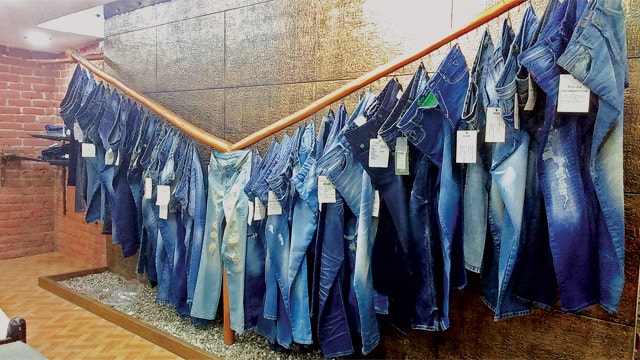
Jeans manufactured by Globe Textiles India Ltd.

With multiple crowns to add to its glory like the textile state of India, the denim capital of India, Gujarat, at present, has a textile market of around US $ 25 billion and contributes nearly 12 per cent to India’s textile exports. The list is quite long and impressive as Gujarat covers the entire supply chain right from cotton production to textile machinery. And now, Ahmedabad, one of the biggest textile hub and the largest city of Gujarat, is growing as a garmenting hub. The companies based here, and working in an organized way, are in the process of huge expansion for garments, while some of them are taking the IPO route. There are emerging garment manufacturers purely focusing on the domestic market but having state-of-the-art manufacturing units. Some of them are also having expert technical consultants working with them. The vertical integrated companies are already going strong in garmenting, and are further diversifying and adding new product categories, expanding both into export as well as domestic market. Team Apparel Online visited these companies to understand their growth strategy in this booming garmenting scenario.

In textile segment for last six decades, CA Patel Textiles, entered into casual and semi-casual shirt manufacturing just six months before for its own brand ‘ITALFIC’ with 200 stitching machines. It further plans to install 800 stitching machines in the next two years. Manufacturing millions of garments per month, offering an entire range of fashion garments, Komal Texfab is now diversifying into jeans and ethnic wear manufacturing with an investment of nearly Rs. 50 crore. It is also going to double its circular knitting capacity which is currently 200 tonnes per month. Globe Textiles India Ltd., manufacturing 2 lakh jeans (majorly basic as well as semi-fashionable) for the Indian and the overseas market, is also increasing its stitching capacity. Kolkata based brand, AppleEye recently tied up for 25,000 garments per month with one such Ahmedabad-based company. Two years old, Bubble Bee Export House, which had seen 200 per cent growth last year, is in the process to install 250 stitching machines. These are ample examples which prove Ahmedabad’s strength in garmenting.

There is no doubt that Gujarat, or even Ahmedabad, has a strong availability of cotton fabric since a long time, reasonably good labour availability, State Government support which motivates entrepreneurs to move forward. Already going strong in processing and manufacturing of home furnishing products, apparel is the only segment which was not explored in Ahmedabad, and hence companies in this city are naturally moving towards this. Processing/printing, yet another strength of Ahmedabad, is also one of the reasons for knitted garments’ growth here. “Garmenting was already here in Ahmedabad but it was majorly for the domestic market and the unorganized market. However, since last few years, it is growing in an organized way because only garmenting is left to be ventured further. We have everything required for support structure, right from yarn to finishing in surrounding areas, so garmenting was a natural option for companies like us. Further growing domestic market with organized retail is also attracting top companies to come up in garmenting. All chain stores or retail giants are already associated with this hub, so there is as such no challenge for us in garmenting,” states Suresh P. Bagrecha, CMD, Komal Texfab. He further added that there are hardly any top exporters across India who do not take fabrics/printing support from Ahmedabad, so they tend to have a fair idea about the fabric required for export.

Komal Texfab Group that started in 1981, entered into garmenting in 2008 and now has two units. The company is strong, both in export and domestic market with regard to garmenting. Currently, it is having an order of Rs. 60 crore from the domestic market. Having a total turnover of Rs. 200 crore in the last fiscal, the company is expecting more than Rs. 250 crore in the current fiscal. Apparel business constitutes 50 per cent of the company’s turnover.

Yash Patel (L), Director, Shirting Fabric & Garment Division with Swapnil Patel, Director from CA Patel Textiles

Even Swapnil Patel, Director, CA Patel Textiles, shared, “We already have strength in cotton fabric, which is 60 per cent cost of the garment. This strength motivated us to start shirts manufacturing. Other apparel hubs are sourcing fabric from this city and growing well, so why can’t we? Our existing strong retail network is supporting us in marketing which enables us to have more margin with less efforts and less investment in garmenting. Our focus for expansion will be garmenting primarily as we will start tees, trousers, etc. The garment manufacturers to whom we supply fabrics across India are willing to start units here.” He further added that good business environment, proper infrastructure like enough electricity is another motivation for the company to start garmenting. At present, CA Patel Textiles is having an annual business of Rs. 300 crore and is expecting growth of at least 30 per cent.

Bhavin Parikh, CEO, Globe Textiles India Ltd.

AOI also got a chance to have more information on this rising garmenting business from Bhavin Parikh, CEO, Globe Textiles India Ltd. who briefed: “In the last few years, textile business has strengthened across India. In Ahmedabad, the focus has shifted towards apparel. The capacities have already been enhanced at the fabric level and now we want to cover the entire value chain, so things are in motion. We are also getting lot of support from State as well as Central Government for the same.” He informed that his company has four verticals, namely apparel, printed fabrics, denim fabrics and recently it started home furnishing also which is nearly 5 to 10 per cent of its total business. Its apparel domain started in 2006 and is now 35 to 40 per cent of the entire business of the company. In the last fiscal, it had a turnover of Rs. 190 crore and it is expecting 15 per cent growth this year and 25 to 30 per cent in the next few years.

Smooth labour handling

It is easy to manage labour in Ahmedabad as there are no union issues which makes working smooth. But labourers here have an entrepreneur mindset and after few years of experience and resources, some of them start their own jobwork or similar kind of business at a small level. But companies are managing it effectively, like CA Patel Textiles which is giving incentives to the workers, and that too despite piece rate, is also training operators to increase productivity and keeps motivating them. It even runs programmes in nearby villages to bring labour to the factory apart from offering them living space at discounted rates, transportation, etc.

More than 60 per cent of the work strength of Globe Textiles have been associated with it for more than a decade. “We put in a lot of efforts to retain the operators and give them the best working environment. We hire freshers too and give them proper training. We prefer to work from the bottom to the top,” stated a proud Bhavin. He even confirmed that the company has very less absenteeism which helps to solve the cost issue.

Garmenting in-house

The nature of textile business in Ahmedabad is majorly outsourcing as very few players are vertically integrated, but the good thing is that in garmenting, they have most of the processes in-house be it cutting, product development, stitching or finishing. “With regard to fabric, we are cost-effective compared to big mills as they have their overheads compared to our weavers and process houses. Our strong network, vast experience, quite open sourcing, bulk purchasing power help us in managing costs,” reasoned Swapnil. The company sources 30 to 35 lakh metres of fabric per month. He further added that rather than focusing on backward integration and investing more, it is better to focus on marketing and the forward side which is garmenting. But Suresh strongly insists that their vertical system supports in reduction of costs and quick deliveries.

Inclusion of organized retailers, for exports and own brands

In Ahmedabad, players like CA Patel Textiles are focusing on domestic market and want to develop their brands for better margin rather than going for contract manufacturing in export. Even manufacturing for organized domestic retail giants is not their priority. Complication of exports is another reason for this shift in thought. While Komal Texfab is strong in exports as well as domestic, Global Textiles is working for Landmark Group in India as well as Dubai, along with other overseas buyers. Many more small- and medium-level companies are actively exporting garments.

Transit to polyester is not essential

Be it knits or woven, most of the companies doing garmenting in Ahmedabad are majorly into cotton-based garments and they have no interest or plan to focus on polyester-based or blended garments. Will it not make them lose the growth happening in this segment as it is developing fast? Local industry does not think so. Suresh justifies such a stand saying, “Companies like ours are already full with orders of cotton-based fabric and garments, we don’t have even time to think about polyester. Surat is already strong in polyester and there is no need for Ahmedabad to divert in similar direction.”

What needs to be done more…?

Industry accepts that bringing overseas buyers to Ahmedabad is comparatively difficult, but events like Textiles India will be definitely helpful in this regard. For fabric, already a chunk of overseas buyers keep coming to the city. Companies have understood that at this level, they need to put extra fuel to go overseas and meet buyers. “We have to think of getting buying houses of Delhi-NCR and Bangalore to visit Ahmedabad frequently as it is very important to grow in export,” adds Suresh. He stresses that better price and improved service can also be solutions in this aspect. Suresh himself is very much keen about R&D. Most of the apparel export from Ahmedabad is into Middle East countries rather than US, EU or other countries. One of the reasons for this is that Ahmedabad is not quite viable since competitive exporting countries have duty advantages in US and EU. But local exporters feel that with the growing apparel manufacturing capacities, more and more companies of Ahmedabad will also be able to cater to bulk buyers. It can be taken as a positive indication that some entrepreneurs accepted and insisted that the city needs to change its mind set, skill set for export specifically, only then it will be able to challenge other established apparel exporting hubs in India.

On the path of growth

Buying office support

Not only manufacturers, but even buying office‘s support structure is emerging in Ahmedabad, but is very limited so far. Amit Gordhandas, MD of Dassani Global Group, Ahmedabad, shared, “We book the lines at the factories rather than placing order one by one and controlling the production. We have clients in Europe, South America and Africa, who support from trend forecast to final delivery.” The company offers entire range of garments and accessories. It is associated with 35 apparel manufacturers across India.

Niche segment too

Some of the companies here are also doing very niche segments. Like Samvit Sarabhai, Director, Rajka Designs, said that the company started home furnishing with specialization in artisan work based in Kutch and Rajasthan. “In our garments, we mainly use handmade fabric like khadi, handloom with hand embroidery and offer contemporary design but with Indian roots. We are working with clients like Muji from Japan and Designer Guild from UK with a capacity of nearly 5,000 pieces per month,” he stated confidently.

Young generation coming in

New generation is also entering into apparel business and is quite geared up for the future aspects just as LMNO (Life Means New Options) online brand started by Aayushi Chiripal. Just six months old, this initiative is having full support of textile giant, Chiripal Group. It is a serious effort to connect with the younger generation directly and to offer same and even more strong spirit, accurate size compared to any international brand in India.

Own store in overseas

Two-year-old Bubble Bee Export House offers semi-fashionable ladies garments and exports 80 per cent of its production to the Middle East. Having 17 retail outlets of its associates in Kuwait, the company is having its own associated manufacturing in Tirupur and Jaipur. “I started to support our stores but later we got more overseas buyers as well as Indian retailers, just because of good set-up. We are geared up for expansion,” said Murtaza, MD of the company.