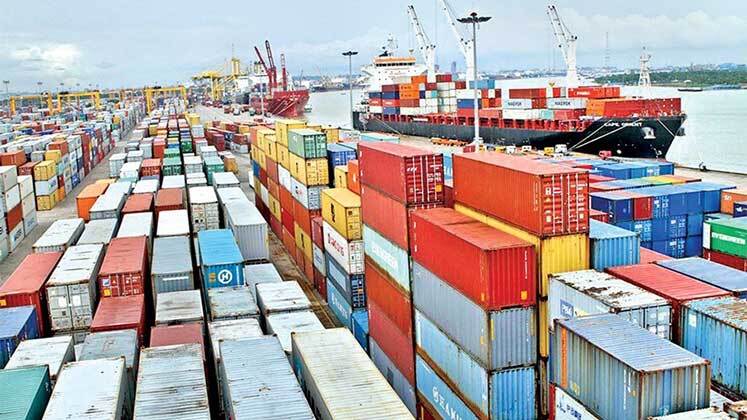
The Bangladesh Garment Manufacturers and Exporters Association (BGMEA) has called on the National Board of Revenue (NBR) to keep customs and port operations at Chattogram Port running around the clock and to waive demurrage charges on delayed imports, as exporters grapple with severe congestion following recent operational disruptions.
In a letter to the NBR chairman on 5th February, the BGMEA said import and export activities at the country’s principal seaport had been effectively suspended since 31st January due to work stoppages by port workers and employees, resulting in significant cargo backlogs. The shutdowns were triggered by protests against the government’s plans to lease the New Mooring Container Terminal to UAE-based DP World, which have led to repeated halts in normal port operations.
The association highlighted the time-sensitive nature of the ready-made garment sector, which relies on strict lead times to fulfil export contracts. It warned that delays in shipment caused by port congestion risked immediate financial losses for exporters and the potential loss of future orders. It also noted that factories were suspending production in some cases owing to shortages of imported raw materials.
To mitigate the crisis, BGMEA requested that all customs and port-related services operate on a 24/7 basis until the backlog is cleared, enabling faster clearance and delivery of goods. The letter also sought a waiver of demurrage charges on imported consignments delivered after 30 January, asserting that importers had been unable to clear cargo on time through no fault of their own.
The letter stated that imposing demurrage under the current circumstances would be unjustified and would further strain businesses already incurring production losses and shipment delays. It added that uninterrupted port and customs services, together with demurrage relief, were essential to safeguard Bangladesh’s export credibility and preserve the competitiveness of its garment industry in global markets.
The Chattogram Port situation has also drawn concern from a broader coalition of trade bodies, which warned of wider economic damage and potential price pressures on essential goods if port operations remain disrupted.
Port operations have since resumed after a two-day suspension, but container backlogs and congestion persist, and tensions remain high as workers have threatened further action if their demands are not addressed.