Producing 700 tonnes of yarn and about 500 thousand metres of finished fabric per day, Vardhman Textiles Limited is one of the most respected companies known for its innovation, interesting product offerings and best services to its clients. The leading manufacturer of yarns, fabrics, fibres, garments and threads, Vardhman Group is the largest vertically integrated textile group in India, having 22 state-of-the-art manufacturing facilities across five states.
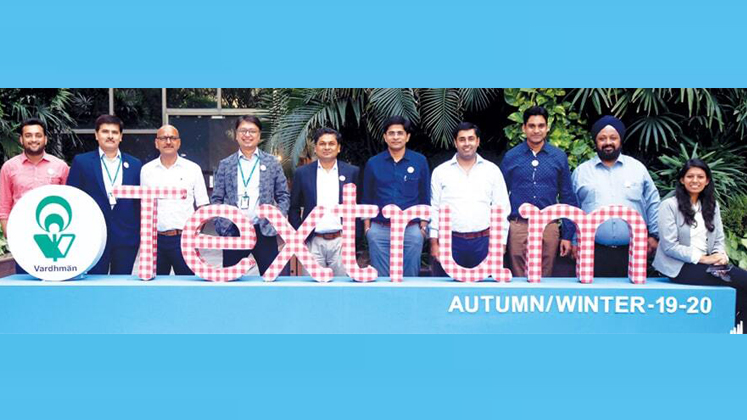
The manufacturing conglomerate also has an event vertical as well called TEXTRUM – a bi-annual textile innovation event – that has been established well over the last few years and has received phenomenal industry appreciation. The textile giant has collaborated with ASW 2022, one of Asia’s most sought-after sourcing shows, to display its latest fabric collections through TEXTRUM ’23.
From the first edition of TEXTRUM in 2018, this journey of TEXTRUM so far has been thrilling and motivating for Vardhman. It continuously reminds of the hard work put up by Team Vardhman to live up to the aspirations of the company’s esteemed customers and turn this into one-of-a-kind mega event.
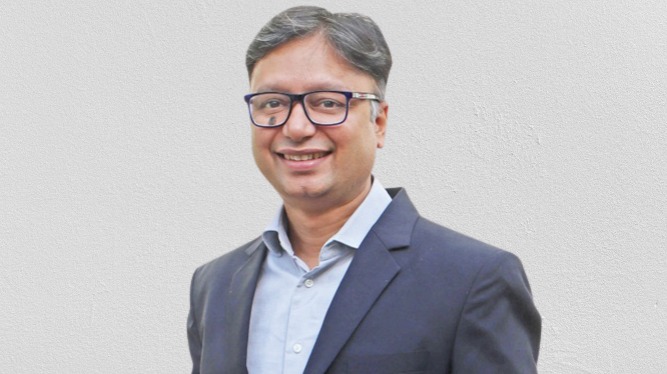
“We have made continuous efforts over the years to present the latest fabric collections that reflect the global and domestic market aspirations in our event and we will continue to work in a similar direction in future as well. We have been receiving an overwhelming response from our customers since the initiation of this mega event and this is a testimony to our robust and ever-growing relationship with them,” says Mukesh Bansal, EVP of the company.
What to expect from TEXTRUM?
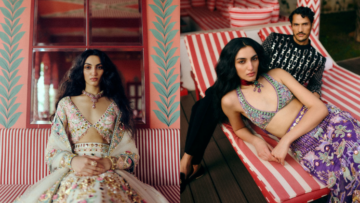
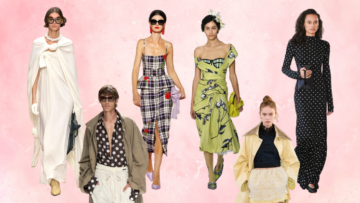
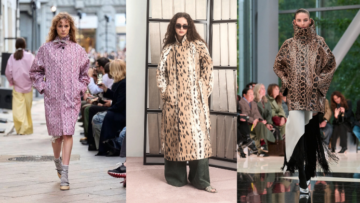
The upcoming edition of TEXTRUM will have the latest fabric collections with diverse categories for Fall ’23. It is inspired by migratory lifestyles, where textiles translate to natural and comfort-driven fabrics, influenced by community-based crafting.
The industry is also curious to explore the latest offerings of the company as Mukesh tells, “Our customers are really inquisitive about the upcoming TEXTRUM ’23 event and are really keen to know about the event dates to mark their calendars and update their schedules accordingly. The previous two years have been truly trying and testing years for the industry that threw many unprecedented and abnormal challenges for us to cope. This year’s event will once again give us an opportunity to meet and greet all our esteemed customers under one roof after a long period of time. We eagerly look forward to meeting our customers in person and present our latest collections that are inspired by the latest global trends before them.”
Vardhman’s focus on Sustainability and Expansion is embedded in its DNA
Sustainability has always remained a major focus for Vardhman and has also been highlighted during the various editions of TEXTRUM. Being ethically responsible towards the environment and the society, Vardhman firmly believes in supporting sustainable practices both in personal and professional lives.
“Sustainability is an all-pervasive concept and has become a way of life in the present day’s scenario. No industry or organisation can think of surviving in the long run by ignoring the benefits of being sustainable. Sustainable practices and Vardhman have a very long association (since its inception) and this association is here to stay forever,” asserts Sanjay Gupta, VP, Fabric Marketing of the company.
Just a few months back, the company announced an expansion of 1.65 spindles in the next 2-3 years and an investment of around Rs. 1,400 crore. It shows Vardhman’s strong conviction about the bright future of India as a textile hub. “We are continuously investing in capacities and capabilities to make India a preferred sourcing destination for global buyers. The Government’s initiative of ‘Make in India’ has further strengthened the industry’s commitment. We will continue investing wherever we see an opportunity,” says Mukesh.
Mukesh also shares that there is a big change in the demand pattern post-lockdown. MOQ is just one of them and there is more complexity to it. The whole ecosystem in fashion industry calls for a lot of agility and flexibility in manufacturing operations. “We have invested in our infrastructure as well as process to build in more flexibility. Smaller orders, larger orders, quick turnaround orders, logistics synchronisation, all are few examples of present day complexity,” concludes Mukesh.