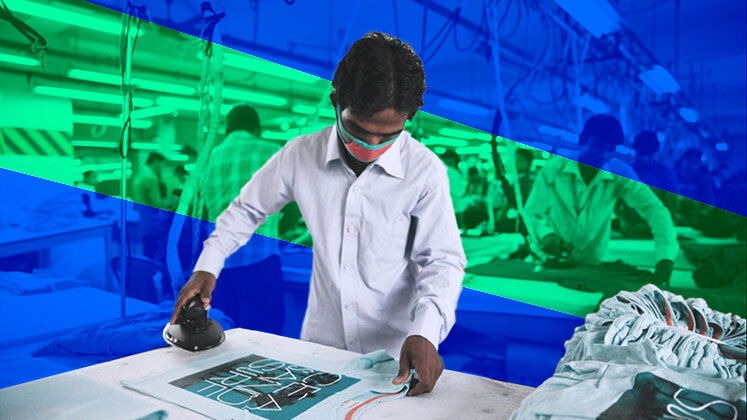
Surat, one of India’s largest hubs for man-made fabrics, has been selected as one of six locations for the establishment of a Textiles Export Facilitation Centre (TEFC) by the Textiles Committee under the Union Ministry of Textiles.
The other centres will be set up in Karur (Tamil Nadu), Ichalkaranji (Maharashtra), Jaipur (Rajasthan), Varanasi (Uttar Pradesh) and Ludhiana (Punjab).
According to a trade notice, the TEFCs will be established on a pilot basis across major textile clusters to enhance the export competitiveness of both existing and emerging exporters.
In Surat, the centre will focus on technical textiles and man-made fibre (MMF) products, reflecting the city’s status as a leading man-made textile manufacturing hub. The TEFC will operate from the Textiles Committee office and provide services such as quality appraisal, export certification, laboratory testing, ISO consultancy, market research, and assistance in implementing government schemes including Samarth and Handloom Mark.
Ashok Jirawala, Vice-President of the Southern Gujarat Chamber of Commerce and Industry, stated that Surat currently produces nearly 60 million metres of fabric per day. He expressed the view that with a dedicated facilitation centre and enhanced export services, production could rise to between 100 million and 120 million metres per day over the next five years, providing a significant boost to the weaving sector.
He further indicated that around 40,000 small and large textile units in Surat were likely to shift their focus towards export-quality production. He noted that Surat’s speciality fabrics, bedsheets, curtains and man-made textiles had strong potential in markets such as Europe, the United States and the Gulf region.
The TEFCs are intended to provide training and capacity-building support to exporters, assistance in Harmonised System (HS) classification, preparation of export roadmaps, dissemination of information on export-import tariffs, guidance on technical and non-technical compliance requirements in various countries, and awareness of government schemes and emerging export markets.
Ashish Gujarati, former president of the Southern Gujarat Chamber of Commerce and Industry, described the initiative as a significant step for the growth of the textile industry. He said it was expected to boost exports from Gujarat and lead to a larger contribution from the state’s textile and garment manufacturers to India’s overall exports.