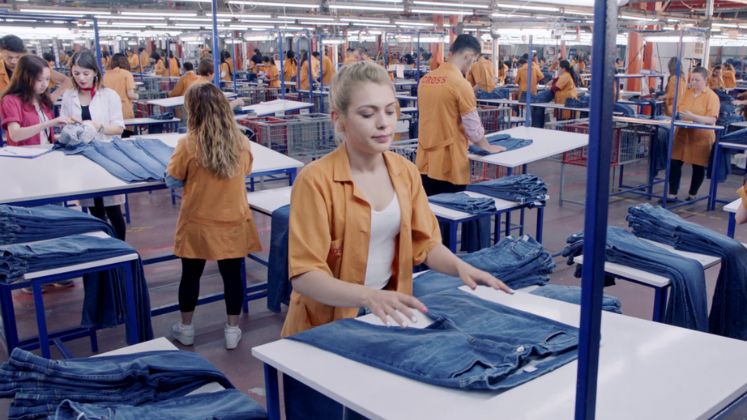
The International Textile Manufacturers Federation (ITMF), which surveys its members from about thirty producing countries on a regular basis, recently released a report that was optimistic about the impending recovery of the world’s demand for textile materials after an exceptionally long period of decline.
“This highly contrasting scenario indicates that companies anticipate an end to this unprecedentedly long economic downturn,” stated the ITMF in its summer publication. The report simultaneously noted the current weak demand while projecting optimism for the latter half of the fiscal year.
The sector’s reality is nonetheless dire in the interim. Production’s capacity utilisation rate fell to just 68 per cent as of July, a record low that had previously only been attained by the end of 2023 due to a decline in European consumption brought on by regional inflation.
“The predominant concern across the textile value chain was, and continues to be, the weakness of demand,” the federation reported. “66 per cent of participants identified weak demand as a major concern.” This issue outweighed concerns about geopolitical issues (cited by 40 per cent of respondents) which influence both supply chain decisions and consumer behaviour.
High costs were a major problem as well, especially for logistics, which 24 per cent of respondents said were made worse by freight rates that were exaggerated because of difficulties getting to the Suez and Panama canals. Concerns about raw material prices (27 per cent) and energy costs (22 per cent) also remained.
However, manufacturers stated that inventory levels, which are currently at ordinary levels, and order cancellations are no longer major problems. “The situation differs for retailers and brands, who have had to contend with unprecedented stock levels since late 2022,” the ITMF noted. The organisation anticipates that these businesses will replenish their inventories in the coming months.