India’s garment export sector is facing mounting operational and cost pressures as geopolitical tensions in the Middle East ripple through supply chains, according to Animesh Saxena of Neetee Clothing, based out of Gurugram.
Saxena indicated that the current situation is “not very comfortable”, with disruptions emerging across both internal operations and external market conditions. While subdued sentiment in key markets such as Dubai has had a limited direct impact, indirect consequences—including rising raw material costs and logistical challenges—are weighing heavily on exporters.
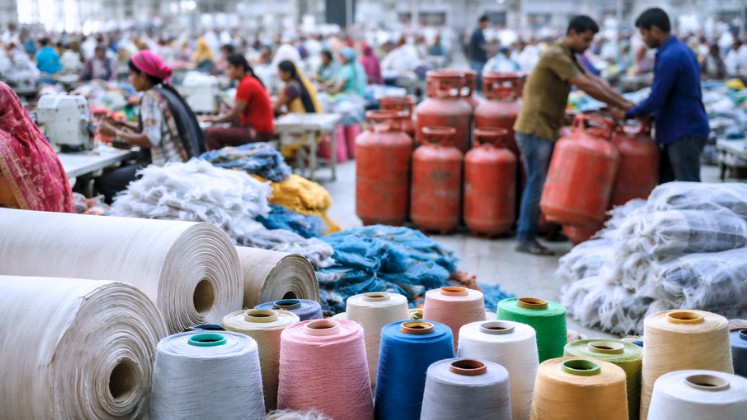
On the domestic front, labour availability has emerged as a critical concern. Migrant workers, who form the backbone of the industry, are facing difficulties due to cooking gas shortages, prompting some to consider returning to their home states. The situation is having a significant operational impact, particularly during a peak production period when timely shipments are crucial.
Saxena added that the company had explored interim solutions, including offering centrally cooked meals at factory premises, though initial uptake was limited. In some cases, contractors have stepped in to arrange alternative gas supplies, as companies attempt to retain workers during a critical business cycle.
Externally, exporters are also grappling with energy constraints following regulatory mandates in the Delhi-NCR region that require industrial units to operate on gas-based systems. Gas suppliers have imposed consumption caps, with penalties for exceeding quotas, creating additional strain. While temporary permission has been granted to use diesel, most factories have already transitioned to gas-based infrastructure, making short-term reversals both impractical and costly.
SImilarly, in Surat workers are in a bind due to LPG shortages and are leaving the hub. In the south, the Tiruppur Exporters Association had a meeting with the Chief Secretary and MD of SIPCOT regarding the LPG gas shortage in the Tirupur garment industry.