The Confederation of Indian Textile Industry (CITI) has urged the government to extend the Rebate of State and Central Taxes and Levies (RoSCTL) scheme beyond its current end date of 31st March 2026 for a minimum period of five years. The industry body has also called for a revision of rebate rates to reflect sustained cost inflation and the burden of unreimbursed embedded taxes, including stamp duties, levies on renewable energy equipment, and service-linked charges.
In its representation, CITI highlighted the need to remove or revise existing rebate caps, which it said are limiting the effective realisation of benefits under the scheme, particularly in the context of currency depreciation. The organisation further sought an expansion of the scheme’s coverage to include special economic zones (SEZs), export-oriented units (EOUs), advance authorisation holders, and e-commerce exports. In addition, it proposed the introduction of a Direct Benefit Transfer (DBT) mechanism or an expansion in the use of transferable scrips to improve realisation, especially for micro, small and medium-sized exporters.
The RoSCTL framework is designed to compensate exporters of apparel, garments, and made-ups for State and Central taxes and levies that are not refunded through the Duty Drawback Scheme. CITI has reiterated that RoSCTL is a tax-neutrality mechanism rather than a subsidy, and is aligned with the global principle that exports should be zero-rated.
Explaining the rationale for seeking the scheme’s continuation, CITI chairman Ashwin Chandran said the organisation believed a predictable policy framework was essential to enable companies in the apparel and made-ups segments to plan investments, remain competitive in global markets, and prevent job losses. He added that the scheme also reinforced India’s position as a reliable global sourcing destination at a time when the textile and apparel sector continued to face global headwinds.
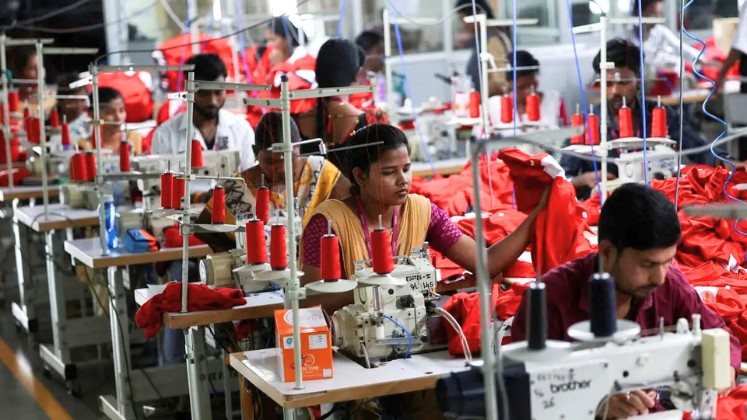
The apparel and made-ups sector is among India’s most labour-intensive and globally exposed manufacturing segments, providing direct employment to more than 11 million people and generating export revenues of around US $ 22 billion. According to industry assessments cited by CITI, export volumes could have declined by 25 to 50% during recent periods of global stress in the absence of the RoSCTL scheme.
CITI also noted that over the past five years, input costs have risen by an estimated 3% to 4% annually, while free-on-board (FOB) prices have remained largely stagnant. The RoSCTL scheme has helped bridge this widening cost gap and has safeguarded more than 800,000 jobs during the same period, making it one of the most significant employment-protection measures for manufacturing exports.
India’s textile and apparel exports have also been impacted by a 50% tariff imposed by the United States on Indian goods, effective from 27th August 2025. The US remains India’s largest export market for textiles and apparel. Against this backdrop, India has set an ambition to more than double its textile and apparel exports to US $ 100 billion by 2030, a target that industry stakeholders argue will require continued policy support and export competitiveness measures such as RoSCTL.