Bangladesh’s leather and leather products industry, long regarded as the country’s second-largest export manufacturing sector after readymade garments, is approaching a decisive juncture as years of underperformance clash with rising external pressures and looming structural changes.
Despite abundant raw hides, competitive labour costs and strong backward linkages, the sector has struggled to scale up. Export earnings stood at about US $ 1.03 billion in FY 2025, showing little real growth over the past five years, according to data from the Export Promotion Bureau. The industry has remained stuck around the US $ 1 billion mark, failing to translate potential into sustained expansion.
Industry executives, however, argue that the outlook could shift dramatically if long-standing infrastructure and compliance bottlenecks are resolved. They estimate that exports could rise to US $ 5 billion annually by 2030, with some projections suggesting the potential to reach US $ 10 billion by the mid-2030s if comprehensive reforms are implemented.
The United Nations Development Programme (UNDP) has identified leather as a “critical post-LDC graduation growth engine” in its latest policy paper, Investing in Bangladesh’s Leather Industry: Challenges and Solutions. Yet exporters say environmental non-compliance has already cost the sector between US $ 5 billion and US $ 10 billion in lost export opportunities over the past decade, particularly due to restricted access to the US and European Union markets.
According to UNDP Bangladesh, the country processes more than 180 million square feet of raw hides and skins annually, but over 60% of export revenue still comes from semi-processed wet blue leather rather than higher-value finished products. This limited value addition leaves the industry vulnerable to price pressure and external shocks.
The sector faces additional strain from Bangladesh’s scheduled graduation from least developed country (LDC) status in 2026. Researchers warn that the eventual withdrawal of duty-free and quota-free access in key markets such as the EU could push Bangladeshi leather footwear into most-favoured-nation tariff regimes of up to 10%. Without significant gains in productivity and value addition, exporters risk losing price competitiveness.
Environmental compliance remains the most costly hurdle. Industry sources and local media reports indicate that inadequate effluent treatment and the absence of Leather Working Group (LWG) certification have resulted in export prices that are 30–40% lower than those of certified competitors. The Central Effluent Treatment Plant (CETP) at the Savar Tannery Industrial Estate—intended as the sector’s flagship environmental solution—continues to operate below international standards, preventing most tanneries from securing global certifications.
Skill shortages, outdated machinery and limited research and development capabilities further constrain the industry’s move up the value chain, particularly in finished leather goods, branded products and premium footwear. Financial constraints, including limited access to affordable credit and cumbersome investment processes, add to the challenge.
Industry estimates suggest that an additional US $ 150–200 million in infrastructure investment would be required to bring the Savar estate fully into compliance—a relatively modest outlay compared with the potential revenue gains from improved market access and higher-value exports.
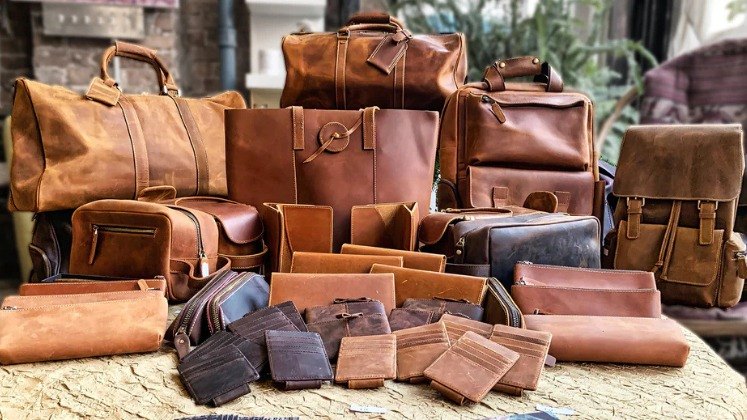
Analysts argue that shifting the export mix away from semi-processed leather towards finished goods, supported by investments in design, branding and quality systems aligned with global procurement standards, will be critical if Bangladesh’s leather industry is to regain momentum and secure its place in the country’s post-LDC export strategy.