Freudenberg Performance Materials continues to deepen its presence in India’s growing menswear and shirting segment, with its 37xx series of polyester interlinings emerging as a standout solution for domestic and export brands. But beyond product success, the company’s India strategy hinges on local expertise, long-term customer relationships, and a proactive approach to solving manufacturing challenges.
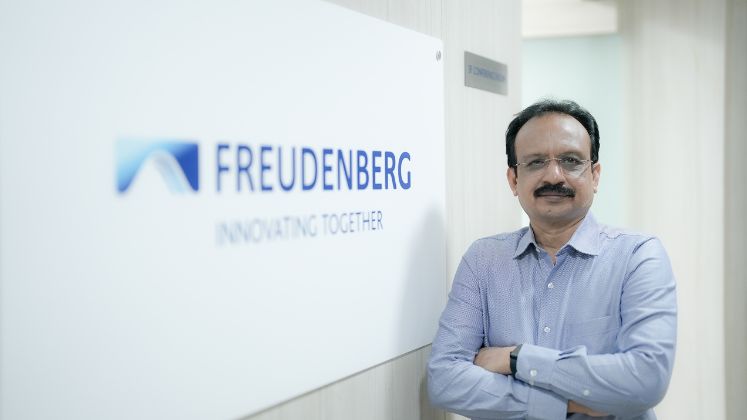
“Our 37xx Series has demonstrated strong growth potential in India,” said Ramji Balaraman, Head of Market Segments – Shirts & Menswear, who has been with Freudenberg Performance Materials for 23 years.
He added, “We’ve always believed that understanding the customer on the ground makes all the difference. Whether it’s a designer in Bangalore or a production unit in Tirupur, they want more than material supply—they’re looking for technical clarity, speed, and a partner who understands the pulse of the market.”
Freudenberg’s Chennai facility plays a critical role in offering this local advantage. It allows the company to reduce lead times, provide consistent product quality, and respond faster to changing market needs. The shift is timely, especially as brands across India demand better access to advanced interlinings, technical support, and more sustainable solutions.
In his decades-long career, Ramji has seen the market evolve from basic Interlinings to today’s advanced solutions. With consumer preferences changing rapidly, the margin for error is narrowing. “Decisions are being made closer to production timelines than ever before. You have to be ready with the right inventory and insights,” he notes.
The company’s technical engagement with their customers has also grown. Freudenberg now offers services such as Interlining Recommendation reports, fusing process audits, Technical Seminars and Shop floor training at the factory level—critical touchpoints that help convert first-time trials into long-term adoption.
India’s diverse market structure adds both complexity and opportunity. “You’ve got global brands, legacy domestic players, and emerging D2C names all operating in the same space—but with very different needs,” Ramji explained. Freudenberg tailors its approach accordingly, whether it’s offering a high-performance fusible interlining or helping clients prepare for traceability requirements from global buyers.
The team is also working to fill domestic gaps in materials like Woven Bi-elastic and Knitted Interlinings, which are currently imported. As Freudenberg scales up local production of polyester woven interlinings, it aims to close this gap while offering reliability and technical support.
With apparel manufacturing shifting across South Asia due to geopolitical trends and supply chain realignment, India is poised to become an even bigger player and Freudenberg plans to grow with it. “We don’t just talk innovation—we measure it in market impact,” Ramji said. “That’s how we’ve built trust over time.”