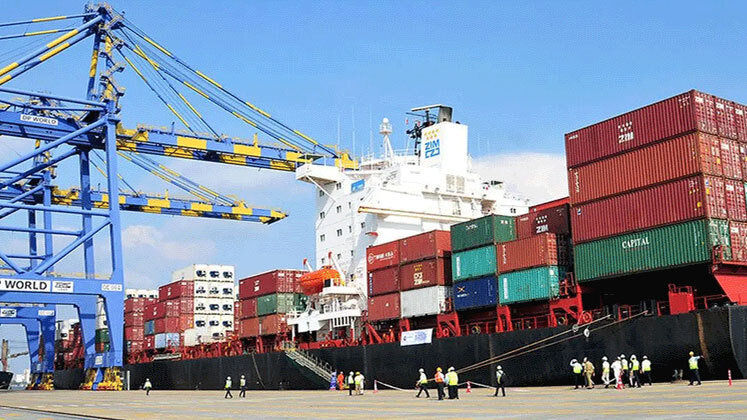
The government has issued Bangladesh’s first standalone licensing regulations for shipping agents, a move aimed at simplifying operations and easing long-standing regulatory bottlenecks across the country’s ports.
Under the new framework, shipping agents will be allowed to operate at any river port or seaport nationwide once they obtain a licence from any customs station, removing the need for port-specific authorisations. The regulations are expected to significantly improve business mobility and efficiency in the shipping sector.
Previously, shipping agents were licensed under the customs agent regulations, a system that industry stakeholders said created operational difficulties by placing shipping agents and customs and forwarding (C&F) agents under the same regulatory regime, despite the distinct nature of their activities.
The revised rules, titled the Shipping Agent Licensing Rules 2025, were published in the official gazette by the National Board of Revenue (NBR) on 30 December 2025. In a press release issued on Friday, the NBR said the new regulations had been introduced to make shipping agent-related activities more efficient and aligned with current industry requirements.
Under the new system, customs stations will no longer require prior clearance from the NBR to determine the number of shipping agent licences issued at each station. This change is expected to speed up the licensing process considerably. In addition, applicants will no longer be required to sit written or oral examinations, with licences to be issued within 30 working days provided documentation is found to be in order.
The rules also remove previous geographic restrictions, which prevented shipping agents from operating at ports outside the jurisdiction of the customs station that issued their licence. A single licence will now permit operations across all river and seaports in the country.
Former Bangladesh Shipping Agents Association (BSAA) director Muntasir Rubayat welcomed the introduction of the independent licensing framework, saying it would make it significantly easier for shipping agents to conduct business and reduce regulatory friction in the sector.