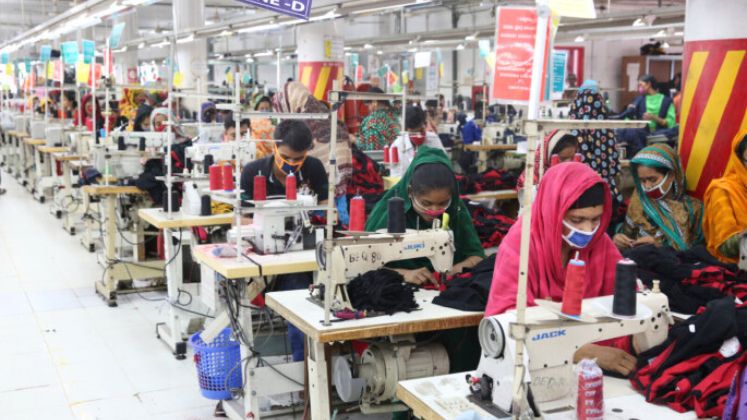
The apparel industry in Bangladesh is grappling with the pressing need for energy efficiency as the cost of energy continues to rise, experts warned during a recent roundtable discussion. Ijaz Hossain, an energy expert and former professor at the Bangladesh University of Engineering and Technology (BUET), highlighted that industrial gas consumption has dropped to 166 billion cubic feet (BCF) in the fiscal year 2023-24, a significant decline compared to the previous three years. Hossain emphasized the importance of energy efficiency.
Hossain noted that simple measures, such as proper housekeeping, could lead to savings of up to 10 per cent in energy consumption. However, industry leaders expressed concerns about inconsistent energy quality, which undermines the effectiveness of advanced energy-efficient technologies. Shams Mahmud, managing director of Shasha Denims Ltd, shared that the lifespan of energy-efficient technologies has drastically reduced due to unreliable power supply, leading to increased operational costs.
The issue of high import duties on solar components was also raised, with Azizur R Chowdhury, managing director of JM Fabrics and a director of the Bangladesh Textile Mills Association, highlighting that such barriers discourage the adoption of renewable energy technologies. Chowdhury also pointed out the risks associated with using cylindered gas due to inadequate supply, describing the dangerous practice as a last resort for many entrepreneurs.
Selim Reza Hasan, country manager of Solidaridad, emphasised the importance of improving energy, chemical, and water use efficiency for the textile sector’s sustainability and competitiveness in the global market. He called for life cycle assessments of production processes and science-based targets for carbon reduction.
Professor Mohidus Samad Khan from BUET shared insights from a recent survey of industry stakeholders, revealing that 66 per cent of production industry representatives believe energy efficiency and renewable energy are vital for long-term sustainability. However, barriers such as lack of awareness, insufficient funding, and regulatory constraints hinder progress
Energy expert Yameen Farook suggested implementing a star rating system for factories based on their energy efficiency, proposing that those with higher efficiency receive lower energy costs and tax incentives.
Mohammad Shah Alam, DGM of Epyllion Group, noted that while many factories comply with social and environmental standards, there is no differentiation in benefits received from buyers or the government.