
Since last 3 months, the Indian textile and apparel sector has been facing uncertainty–not to mention the challenges in terms of demand and operational profitability.
Industry experts feel the current trend is transitory in nature and vibrant domestic consumption will support demand in the coming months along with revival of volumes in exports.
Even after accounting for the inflationary trend, fashion domestic consumption will grow nominally due to expansion of GDP and opening up of the economy.
The current size of US $ 85 billion will expand by at least 5 to 7 per cent this year.
In a statement, Prabhu Dhamodharan, Convenor, Indian Texpreneurs Federation (ITF), Coimbatore, said that unlike in developed markets, Indian retail inventories are low, and with festival season approaching, the domestic demand for yarn and fabric will emerge strongly from this July end.
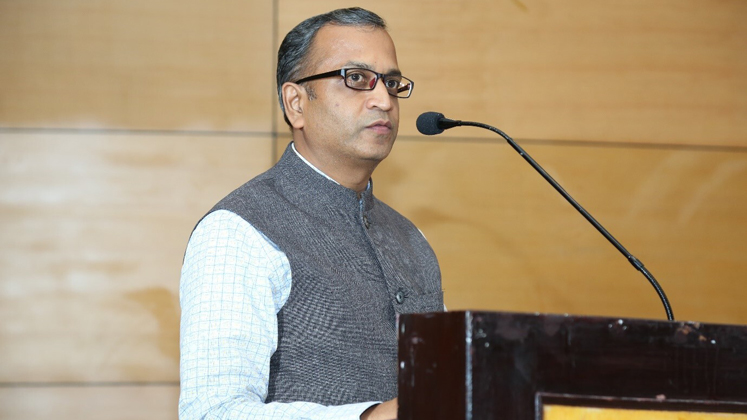
He further added that as raw material price has started falling, the entire manufacturing value chain has exhausted its inventories. Now there are strong signals that buying will re-appear.
Market updates on online and offline retail trends in June indicate that there is a continuity in demand.
“We witnessed a brisk buying of goods in the past cycles after cotton prices stabilised. Across the value chain, there is considerable utilisation drop from the month of May particularly in yarn and fabrics – this low supply trend will create a favourable demand trend in the upcoming cycle,” he said.
Regarding exports, international buyers indicate that once the inventories are reduced with current discount sales, buyers will come back with pre-Covid level of orders in the coming months.
US data for May indicates strong import trend. The US imported Rs. 66,000 crore worth of apparels in May, which is higher by 5 per cent compared to the previous 3 months’ average.
Reduction in freight and raw material cost will also help in boosting overseas demand for textiles.
“The current market sentiment is a result of a Bullwhip effect. High inflation, higher inventories in developed markets, commodity price correction, tightening of liquidity and funds moving out of commodities magnified the trend and all these factors are transitory in nature,” Prabhu said.