Empowerment has been used as a tag line for every movement dedicated towards bringing woman at par with men. To that effect, over the past few years, India has had a record growth in women entrepreneurship. At a global level, about 126 million women have started or are running their businesses, whereas in India, there are about 8 million women running their businesses. While it has definitely been a pleasant change, it isn’t one without its fair share of struggles and challenges.
Rising out of obscurity, women entrepreneurs are unabashedly shattering the glass ceiling of a field that only men ventured into. Veterans like Kiran Mazumdar Shaw, Chanda Kochhar and Indra Nooyi paved way for women to come forth and start something they could call their own and become an independent entity, one that cannot be undermined by gender politics or bias.
Female entrepreneurs or ‘she-preneurs’ are leading successful businesses, breaking the norms of society after having led equally successful careers. Even though each entrepreneur’s journey is unique to them, these women are the torchbearers of society, influencing many more aspirants who find their dreams weighed down either by the conditioning of the society or because of their own inhibitions. We have a list of women who are paving the way to a more conducive environment for the entrepreneur in every woman out there, fearlessly following her instincts.
Nancy Bhasin, Founder, This for That
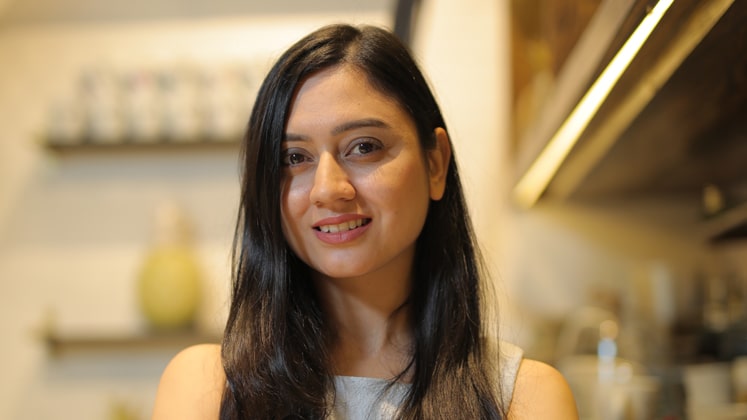
After working in the advertising industry for almost a decade, Nancy Bhasin started a unique venture that was dedicated to the sharing economy in fashion consumption in India. Being a conscious shopper herself, she was glaringly aware of the hordes of clothes in every woman’s underutilised wardrobe. That is what presented just the right opportunity that Nancy wanted to dedicate the next 10 years to.
Nancy considers herself fortunate in the matter of support from family with her husband being the Co-founder of This for That. From the industry’s perspective, she relays a positive message, “It is stark sometimes to see that I’m the only woman entrepreneur at tech events and meet-ups. Despite that, I have received a lot of support from my peers, investors who don’t care if I am a man. They are more interested in investing in what I’m building.”
The venture has gained widespread acceptance and is in talks to raise financing for their first round of funding. The only path to success in her opinion is chasing one’s dreams relentlessly. As she states, “I want to encourage more and more women for start-ups.There is so much to learn and grow which is unachievable in any standard job. Even before you embark upon a start-up, start building an ecosystem around yourself. There’s nothing that can happen in entrepreneurship without a great network, mentors and partners. If you have ideas, discuss them and put yourself out there. Don’t be ashamed to put yourself out there and ask for help.”
Aanchal Saini, CEO and Co-founder, Rent it Bae
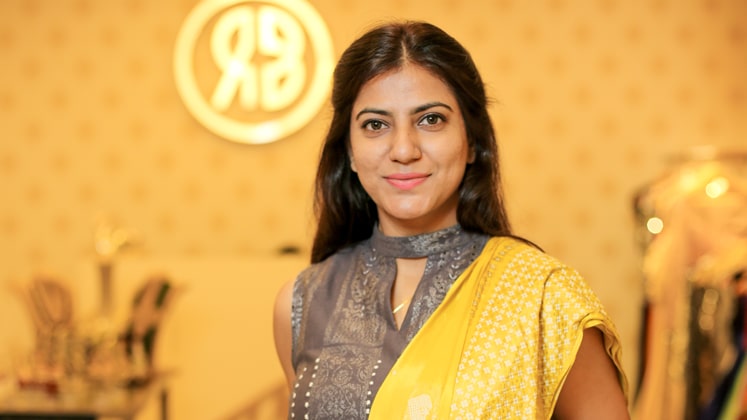
A Delhi high court lawyer by profession, Aanchal realised that millennials spend about 30 per cent of their salaries on the upkeep of their wardrobes, only to wear an outfit a couple of times before it is lost in obscurity at the back of their closet. Started with the idea of being ‘a netflix for fashion’, Rent it Bae ‘started renting out luxury labels so that you’re wearing something expensive but at the same time it’s not burning a hole in your pocket’.
Having tried her hand at a previous venture, she recommends every woman to be absolutely passionate about her idea and vision. In the present times, she believes women have become as accountable and responsible in corporate jobs as men. “Women have stopped feeling that they’re only good at cleaning,washing and cooking. All private jobs are very demanding but women are also used to working for x number of hours. It’s better to dedicate your energies in a positive way into doing something for yourself in the time that you take out for your job,” Aanchal opines. Rent It Bae is expecting its revenue to triple to Rs.6 crore (US $ 9,00,000) by the end of 2019. The company has an annual revenue of Rs.2 crore.
Priyanka Gill, CEO & Founder, POPxo
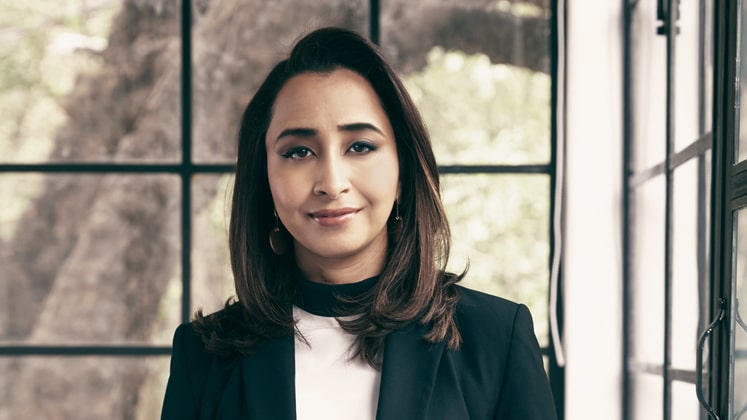
The leader of Luxeva Limited, the media-tech company behind three of India’s biggest digital brands, POPxo, Plixxo and Luxeva, Priyanka Gill attributes the success of her ventures to ‘a strong team of ambitious and opinionated women since the very beginning of the venture’. From a team of 3, her team has grown to 180+ in just 5 years.
POPxo, one of India’s most prolific content creators, prides itself in being the largest online community of women with over 42 million monthly active users. Available in over six languages, it is the voice of Indian women online and its overall growth in terms of users, reach and engagement is 200 per cent year-on-year. The venture which is being led with unwavering diligence, garnered a turnover of US $ 1.98 million last year.
Priyanka has achieved all this with a lot of fervour and a firm belief that all her hurdles have been the same they would be for any entrepreneur. Therefore, instead of advice, she has a few words of wisdom and encouragement to share with her peers, “Our generation is passionate about entrepreneurship and I know the next generation of female entrepreneurs will be leagues ahead. If I had to tell them something – it would be: you’ve got this! I know for a fact that you can achieve whatever you set your mind on, I believe in you. Dream big. Let nothing stop you. The future is yours for the making!”
Ayushi Gudwani, CEO and Founder, FableStreet
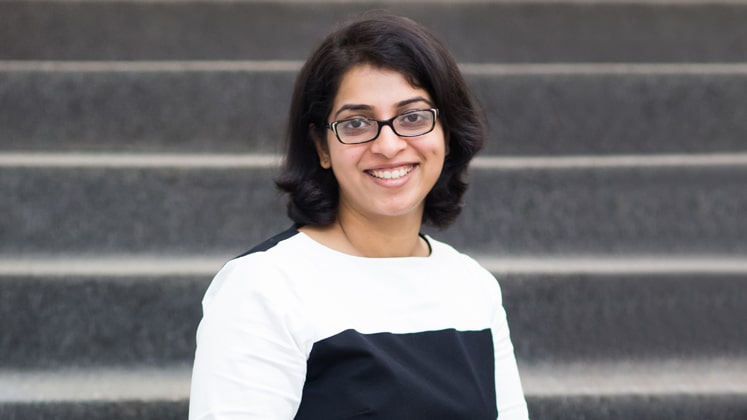
Stemming from a personal predicament, FableStreet provides a solution to what was a largely untapped market in India – women’s workwear. But before venturing out of her comfort zone and starting a new business, Ayushi Gudwani laid the foundation of how she would cater to the needs of the women she was targeting. She recounts, “We connected with over a 1,000 working women to understand their problems and what they needed from workwear, and developed a unique formula for ‘style, comfort and fit’ coming together in one garment. Since sizing turned out to be the biggest issues, we also developed a proprietary tailored fit algorithm that gives you a great fit with 3 self-measurements.”
FableStreet has established itself as a premium workwear brand and has grown 3x every year. However, these accomplishments do not come without a high calibre and committed team, which associates to the cause of FableStreet and is committed to delivering a fantastic customer experience at all costs.
“I believe women are more passionate about the cause they stand for and have significant ability to take risks over male counterparts. Therefore, I would encourage women entrepreneurs to leverage these strengths to build a business which they are passionate about and can advocate for the cause themselves, while keeping in mind all business plans/opportunities,” apprises Ayushi.
Bhoomi Dani, Founder & Creative Head, Vraj:bhoomi
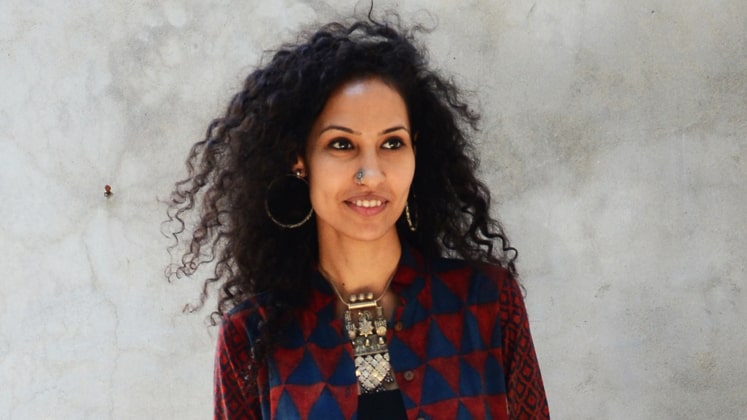
Bhoomi, a graduate from National Institute of Fashion Technology, worked for a few years in the industry but found herself longing to make her way back to Kutch, to relive the history of Indian culture by reviving its traditional textiles and hence, launched Vraj:bhoomi in 2013. To put it in her own words, “Since my college days, I was actively involved in researching, reviving and sustaining the inherent quality of traditional Indian crafts, apart from consistently seeking to push boundaries towards the creation of a new aesthetic using old-world and traditional processes.”
Vraj:bhoomi is a concept clothing label based out of Gujarat, working with desert artisans of Kutch in transforming the traditional hand block printing skills to ethical aestheticwear. The brand has gained tremendous traction with its handcrafted products housed by more than 65 stores and multi-designer boutiques across the globe.
Speaking on the internal conflicts of a woman that slows her success as an entrepreneur, Bhoomi says, “Unfortunately most women lack the shrewdness that is required while dealing with their stakeholders. Part of this also stems from the fact that most women do not hold a long-term view of their business and do not have a clear picture of how they want their start-up to grow. What also contributes to this absence of behaviour is the lack of the ability to say no. Traditionally Indian women have learned to adjust and adapt instead of putting their foot down when necessary. I feel women entrepreneurs should work on being more assertive and aggressive about putting their point across.”
She lauds rural women taking the plunge, even if its in their own small ways doing things such as opening a small grocery store or something as simple as rearing cows to sell dairy products.“Breaking centuries of tradition, the Indian woman today has not only embraced a life in the corporate world but has also begun to make her moves beyond a corporate career and into entrepreneurship. While a corporate career gives her the financial independence and growth to substantiate her abilities, being an entrepreneur takes her beyond that and into a world where not only does she get an opportunity to carve a niche for herself but also make a difference.”
Varija Bajaj, Founder, Varija Design Studio
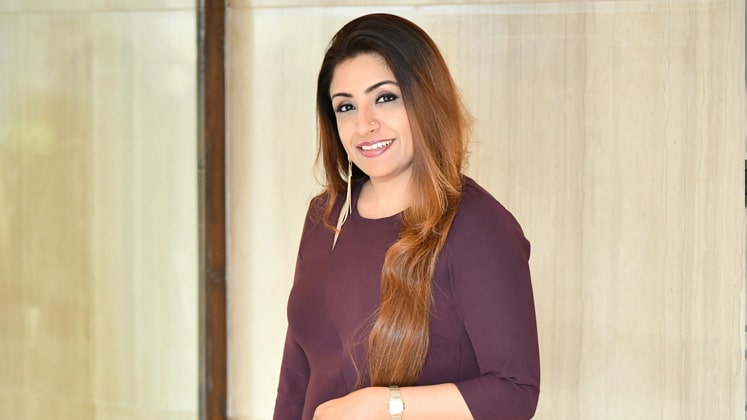
Varija Bajaj is an entrepreneur who is inspirational in every aspect of the word. With a plethora of ventures in her repertoire, she has excelled in all the roles she has taken on with ease. She started out way before women thought of building businesses of their own in 2003. Varija has expanded from her eponymous design studio offering custom bridalwear to O&Y, a workwear brand for Indian women; LELA, an ethnic fusionwear brand and her interior design studio – Varija Home.
Speaking on how she went from just wanting to be an entrepreneur to growing with every venture and working hard to fulfil the roles each required, Varija says, “I’m not from the design background. I thought I was not destined for design but I started this more as a venture coming from an MBA background. I realised quickly that what my design team was making was not what I could sell. I got into design myself and into extensive reading and understanding of the technical aspects as well as the Indian body structure for the main vertical of Varija Design Studio- bridalwear.” She shared a similar story about interior designing where positive responses and requests from clients made her work hard to give this vertical all she could.
Having spent considerable time in the industry, Varija has been faced with challenges at all levels. She explains, “At a social level, when you talk about business, whether it’s the vendor or buyer, nobody takes you seriously. Even the labour initially wouldn’t take me seriously. They all thought I’m pursuing a hobby. A lot of people thought I won’t last very long. Government officials thought that even a little bit of pressure or loose language would affect me, which it did because that was not my upbringing. I would actually talk like a man, walk like a man, dress like a man in my initial days to be dealt with seriously. Even today, till people don’t google me, they don’t take me seriously.”
She adds that the first question she gets asked is if her husband supports her being an entrepreneur or if he is a part of the business which is unfair as nobody would put forth such questions to a man.
Coming from a family where the general perception prevailed that women only worked when the family was under financial duress, she adds, “There was always a dagger hanging above my head, that time is running out and you’ll get married soon. In a way, that helped me because I wanted to achieve so much in so little time.”
Bajaj accredits the rising number of women entrepreneurs to the accessibility social media has provided in the recent years. A lot of women are able to inspire others and make their voice heard.
Her two cents of encouragement for all the women who dare to dream would be, “Don’t let that passion and will die because that is something which will drive you to achieve what you really want. Women fear disappointing their parents or husbands. Convince them instead. I went to cities and countries for my education where my family hadn’t been to, so it was completely out of question. At every point, I had to educate my family about how important it was. You have to empathise if people don’t understand but giving up should not be an option.”